
IP Rating (Ingress Protection Rating) is an international standard used to measure the protective capability of an electrical equipment enclosure against the intrusion of solid foreign objects and water. This standard is defined by the International Electrotechnical Commission (IEC 60529).
An IP code consists of two characteristic digits:
The higher the number, the stronger the protection capability.
From the standard weatherproofing of IP65 to the long-term submersion protection of IP68, every upgrade in rating relies on the iterative advancement of materials and engineering craftsmanship. When selecting or specifying these ratings, accurately understanding the meaning of each IP level and choosing the appropriate grade based on the actual deployment environment is critical to guaranteeing the long-term, stable operation of the product.
| IP Rating | Dust Protection | Water Protection |
|---|---|---|
| IP65 | Completely dust-tight | Resists low-pressure water jets (rain, normal washing) |
| IP66 | Completely dust-tight | Resists high-pressure powerful water jets (ocean waves, high-pressure cleaning) |
| IP67 | Completely dust-tight | Short-term immersion (1 meter depth for 30 minutes) |
| IP68 | Completely dust-tight | Long-term continuous immersion (depth customized based on requirements) |
Many people mistakenly assume that IP67 is automatically better than IP66. In reality, IP66 and IP67 represent different types of protection. IP66 certifies protection against powerful water jets, whereas IP67 certifies protection against temporary immersion. You cannot simply rank one above the other; instead, the right choice depends on whether your specific application scenario involves being "sprayed with water" or "submerged in water."
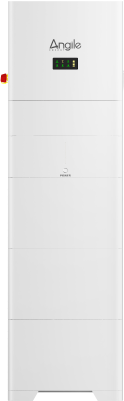
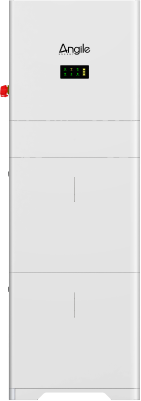
For example, an outdoor energy storage system deployed in a coastal, typhoon-prone region requires the IP66 rating to withstand high-pressure water washouts and driving rain, rather than an IP67 rating meant for underwater submersion.
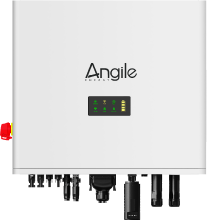
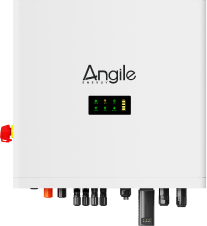
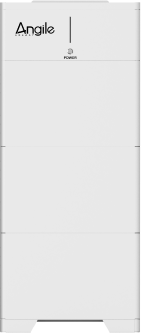
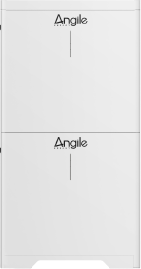
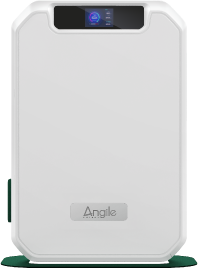
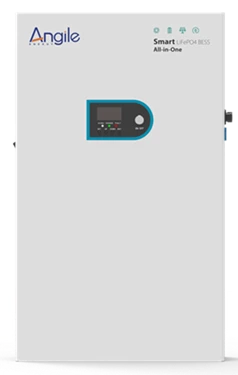
In the energy storage industry, selecting the right IP rating directly impacts safety, lifespan, and ROI. Here is how these ratings typically apply to ESS deployments:
By aligning advanced sealing technology with precise environmental tailoring, Angile Energy delivers robust storage systems engineered to perform reliably over their entire 10- to 15-year operational lifespan.