
Europe's electricity market is becoming more flexible. Since 2025, EU electricity market reforms have required suppliers with more than 200,000 customers to offer dynamic electricity price contracts, while smart meter deployment continues across member states. As a result, more households can choose time-of-use (TOU) tariffs, where electricity prices change throughout the day based on grid demand and renewable energy availability.
The growth of smart meters, dynamic pricing, and renewable energy means homeowners now have greater control over when they buy, store, and use electricity. Countries including the UK, Germany, Italy, the Netherlands, Ireland, and Poland are expanding TOU and dynamic tariff options as part of Europe's energy transition.
For homeowners with solar panels, a hybrid inverter, and battery storage, these changes create an opportunity to significantly reduce electricity bills.
A time-of-use tariff charges different electricity prices during different periods of the day.
Typical pricing periods include:
Unlike traditional flat-rate tariffs, TOU pricing rewards households that can shift electricity consumption away from expensive periods.
Although each utility has its own schedule, evening peak periods commonly occur between approximately 4:00 pm and 9:00 pm, when household demand reaches its highest level.
| Country | TOU Tariff Availability | Typical Structure |
|---|---|---|
| United Kingdom | Widely available | Economy 7, Economy 10, and dynamic tariffs |
| France | Nationwide | Heures Pleines / Heures Creuses (peak/off-peak hours) |
| Spain | Standard for many households | Peak, shoulder, and off-peak periods |
| Italy | Nationwide | F1, F2, and F3 time periods |
| Germany | Available and growing | TOU and hourly dynamic pricing from suppliers |
| Netherlands | Growing rapidly | Dynamic hourly electricity pricing |
| Belgium | Available | Day/night tariffs and dynamic contracts |
| Ireland | Widely available | Smart TOU tariffs with day, night, and peak rates |
| Poland | Available | G12 and G12w dual-rate tariffs |
| Nordic Countries | Common | Hourly spot-price contracts linked to Nord Pool |
Europe's electricity system now relies on increasing amounts of solar and wind power.
Renewable generation changes throughout the day:
To better balance supply and demand, utilities encourage consumers to use electricity when renewable energy is plentiful by offering lower prices during those periods. The expansion of smart meters and digital energy management systems also makes it easier for suppliers to introduce flexible pricing plans.
Time-of-use tariffs do not automatically reduce electricity bills. Savings depend on whether a household can move electricity consumption away from expensive periods.
Many families naturally use the most electricity during the evening by:
Unfortunately, these activities often coincide with the highest electricity prices. Without flexibility, households may see little benefit from TOU pricing despite switching tariffs.
Battery storage allows homeowners to purchase or generate electricity when it is cheapest and use it later when electricity prices are highest. Instead of buying expensive grid electricity during peak hours, stored energy can power the home.
A typical daily cycle looks like this:
Battery storage offers more than TOU savings.
Without a battery, excess daytime solar production is often exported to the grid. With storage, more solar energy can be used at home, increasing self-consumption and reducing reliance on imported electricity.
European electricity markets continue to experience price fluctuations driven by weather, fuel costs, and grid demand. Battery storage gives homeowners greater control over when they purchase electricity, helping reduce the impact of high-price periods.
Many hybrid inverter systems can provide backup power during grid outages when paired with compatible battery systems, improving energy security for homeowners.
A battery alone cannot optimize home energy use. A hybrid inverter acts as the system's energy management hub by coordinating electricity from multiple sources:
It continuously decides where electricity should flow to maximize efficiency and minimize energy costs. This intelligent control becomes increasingly valuable as TOU tariffs become more widespread across Europe.
As European households adopt flexible electricity pricing, intelligent energy management becomes increasingly important.
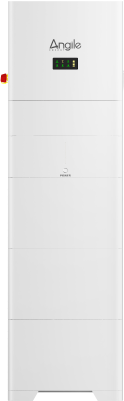
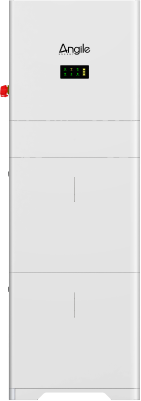
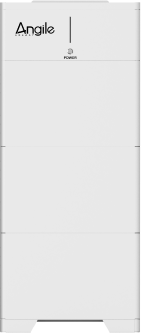
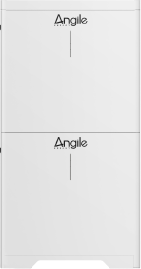
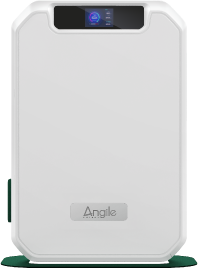
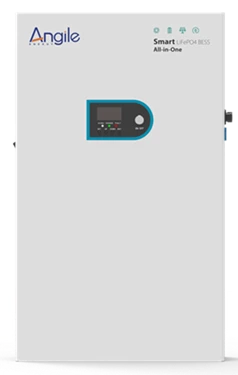
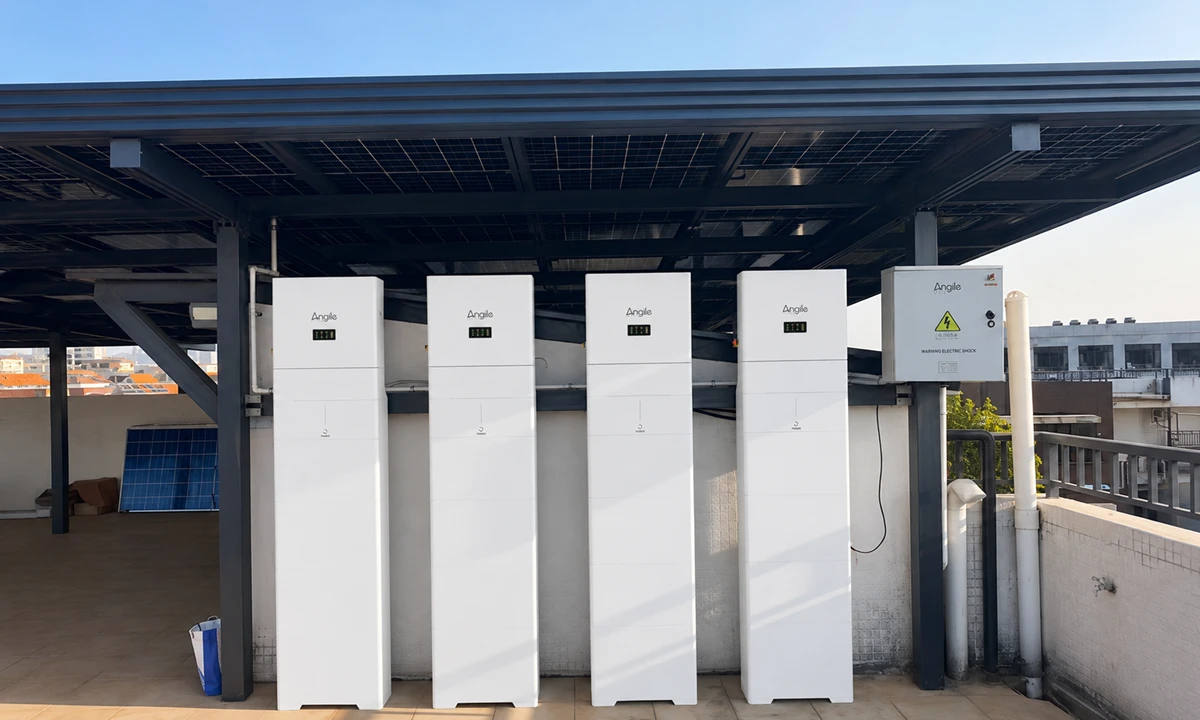
Angile Energy provides complete residential energy storage solutions that combine high-efficiency hybrid inverters with stackable battery systems and intelligent energy management. Its integrated platform includes PCS, EMS, BMS, and HEMS technologies to help homeowners optimize solar generation, battery charging, and household electricity use.
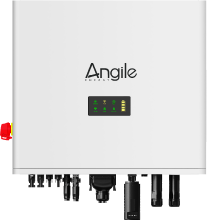
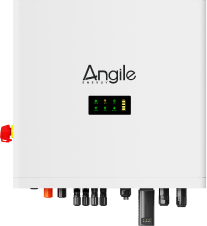
Angile Energy offers both single-phase hybrid inverters (4–6 kW) and three-phase hybrid inverters (8–12 kW) for different residential applications. Key features include:
The hybrid inverters are designed to work seamlessly with Angile Energy's own high-voltage and low-voltage stackable battery systems, delivering a fully integrated energy storage solution with optimized performance and intelligent battery management.
Time-of-use tariffs are most beneficial if you:
Without battery storage, savings may be limited because much household electricity demand occurs during expensive evening hours. With an integrated solar-plus-storage system, however, homeowners can automatically take advantage of lower electricity prices while increasing energy independence.
Time-of-use tariffs are becoming an important part of Europe's modern electricity market. As utilities encourage more flexible energy consumption, homeowners who can intelligently manage when they generate, store, and use electricity will be in the strongest position to reduce costs.
A hybrid inverter paired with battery storage transforms TOU tariffs from a pricing challenge into a financial opportunity. By storing solar energy during the day or charging from the grid during low-cost periods, households can avoid buying electricity when prices are highest.
For homeowners planning a future-ready energy system, combining solar panels with Angile Energy's integrated hybrid inverter and battery storage solution offers a practical way to maximize self-consumption, improve energy efficiency, and adapt to Europe's evolving electricity tariffs.