
Solar energy has become one of the fastest-growing renewable energy sources worldwide. As sustainability becomes a priority for homeowners and businesses, more people are investing in solar photovoltaic (PV) systems to generate clean, affordable electricity. But what exactly is a solar PV system, and how does it produce electricity?
In this guide, you'll learn how solar PV systems work, the key components involved, the different types of PV systems available, and how combining solar panels with energy storage can maximize your energy independence and return on investment.
A solar photovoltaic (PV) system is a renewable energy system that converts sunlight directly into electricity using photovoltaic cells. These systems can power homes, businesses, agricultural facilities, and industrial operations while reducing dependence on traditional electricity grids.
A complete PV system typically includes solar panels, a solar inverter or hybrid inverter, mounting structures, and a battery energy storage system. Together, these components capture solar energy and convert it into usable electricity for everyday consumption.
Many people use the terms "solar panel" and "solar PV system" interchangeably, but they are not the same.
| Solar Panel | Solar PV System |
| A single component that captures sunlight | The complete electricity generation system |
| Produces DC electricity | Produces usable electricity for homes and businesses |
| Cannot operate independently | Includes panels, inverter, monitoring, and optional battery storage |
A solar panel is only one part of a larger photovoltaic system.
Solar panels contain photovoltaic cells that absorb sunlight and generate direct current (DC) electricity through the photovoltaic effect. The efficiency of solar energy production depends on:
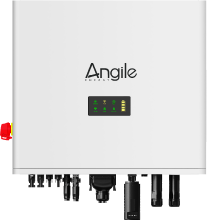
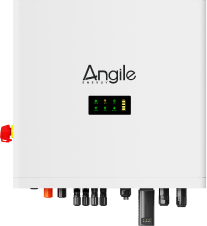
Since most homes and businesses use alternating current (AC) electricity, an inverter converts DC electricity from solar panels into AC electricity. Modern hybrid inverters provide additional benefits by:
A battery energy storage system stores excess solar energy generated during the day for use at night or during grid outages. Benefits include:
As electricity tariffs become more dynamic, energy storage is becoming an increasingly important part of modern solar installations.
A Home Energy Management System intelligently monitors and optimizes energy usage. HEMS platforms can:
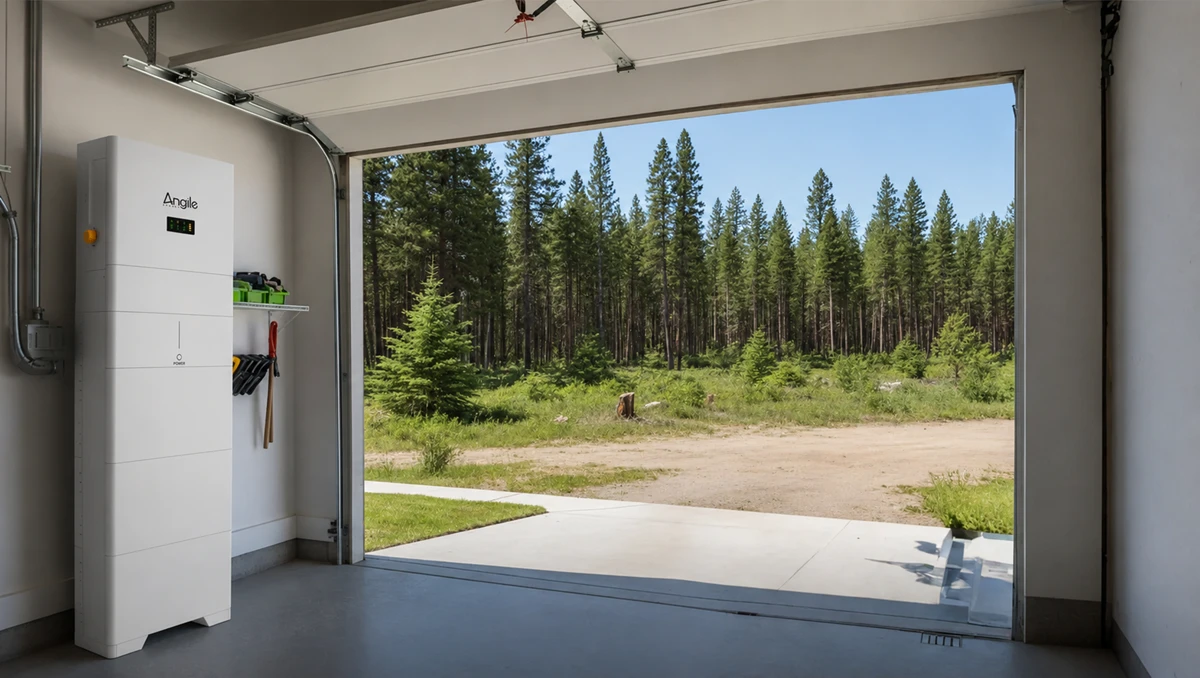
Mounting structures secure solar panels on rooftops or ground-mounted installations, while protection equipment ensures safe operation and compliance with local electrical regulations.
The electricity generation process occurs in several simple steps.
Step 1: Sunlight Reaches the Solar Panels
Solar panels absorb sunlight through photovoltaic cells made from semiconductor materials such as silicon.
When sunlight strikes these cells, electrons become energized and begin to move.
Step 2: DC Electricity Is Generated
The movement of electrons creates direct current (DC) electricity.
At this stage, the electricity cannot yet power most household appliances.
Step 3: The Inverter Converts DC to AC
The inverter converts DC electricity into alternating current (AC), which is used by homes, businesses, and the electrical grid.
Step 4: Electricity Powers Your Home or Business
Generated electricity is immediately used by connected appliances and electrical devices.
Step 5: Excess Energy Is Stored or Exported
If solar production exceeds consumption, excess energy can:
This ensures that valuable solar energy is not wasted.
Grid-tied systems remain connected to the utility grid. Benefits include:
However, most grid-tied systems shut down during power outages for safety reasons.
Off-grid systems operate independently from the utility grid. These systems require:
They are commonly used in remote locations where grid access is unavailable.
Hybrid systems combine solar generation, battery storage, and grid connectivity. Advantages include:
Hybrid systems are becoming the preferred choice for many homeowners seeking energy security.
Traditionally, solar systems exported excess electricity back to the grid. However, changing utility policies and time-of-use pricing are encouraging homeowners to store more of their own energy.
By combining solar generation with battery storage and intelligent energy management, homeowners can:
This solar-plus-storage approach represents the next stage of residential and commercial energy management.
Yes. Grid-tied systems can operate without batteries. However, battery storage increases energy independence and allows solar energy to be used when sunlight is unavailable.
Output depends on system size, panel efficiency, geographic location, and weather conditions.
Most solar panels have performance warranties of 25 years or more. Inverters and batteries may require replacement sooner depending on usage.
Solar panels do not generate electricity at night. Homes either use stored battery energy or draw power from the grid.
For most homeowners and businesses, solar systems can significantly reduce long-term electricity costs while increasing energy resilience and sustainability.
Solar PV systems provide a reliable and environmentally friendly way to generate electricity from sunlight.
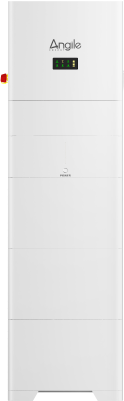
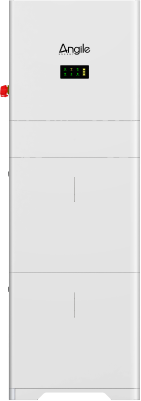
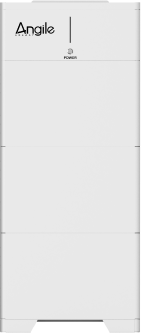
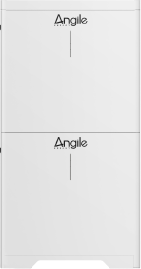
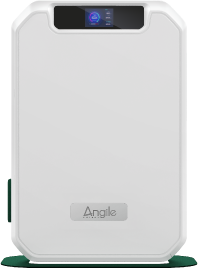
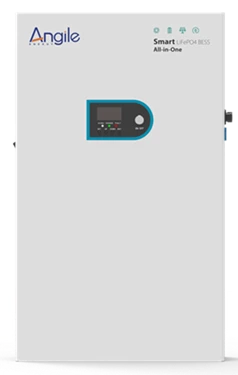
In modern applications, solutions like Angile Energy extend this value by integrating hybrid inverters, battery storage systems, and intelligent energy management platforms to improve efficiency and real-time control.
By combining solar panels, hybrid inverters, battery storage, and intelligent energy management systems, users can maximize energy savings, improve reliability, and reduce dependence on the grid.
As energy costs continue to rise, integrated solar and storage solutions are becoming an increasingly important part of the transition toward a smarter and more sustainable energy future.