
If you are looking into clean energy, you have probably come across the term "solar battery storage." But what exactly is it, how does it work, and do you actually need one for your home?
Let’s break down the basics of solar batteries using simple, straightforward terms.
At its simplest, solar battery storage is a system that saves the extra electricity your solar panels make during the day so you can use it later.
Normally, solar panels produce the most power in the middle of the day when the sun is shining brightest. However, most families use the most electricity in the morning and evening when everyone is at home. Without a battery, any extra power your panels make during the day goes back to the main power grid. With a battery, you can save that power and use it at night, during a power outage, or when electricity rates are high.
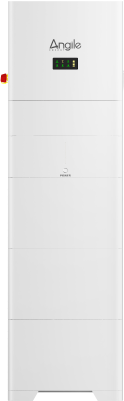
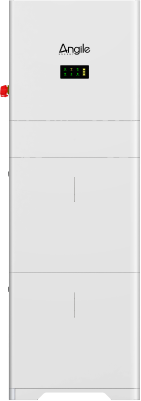
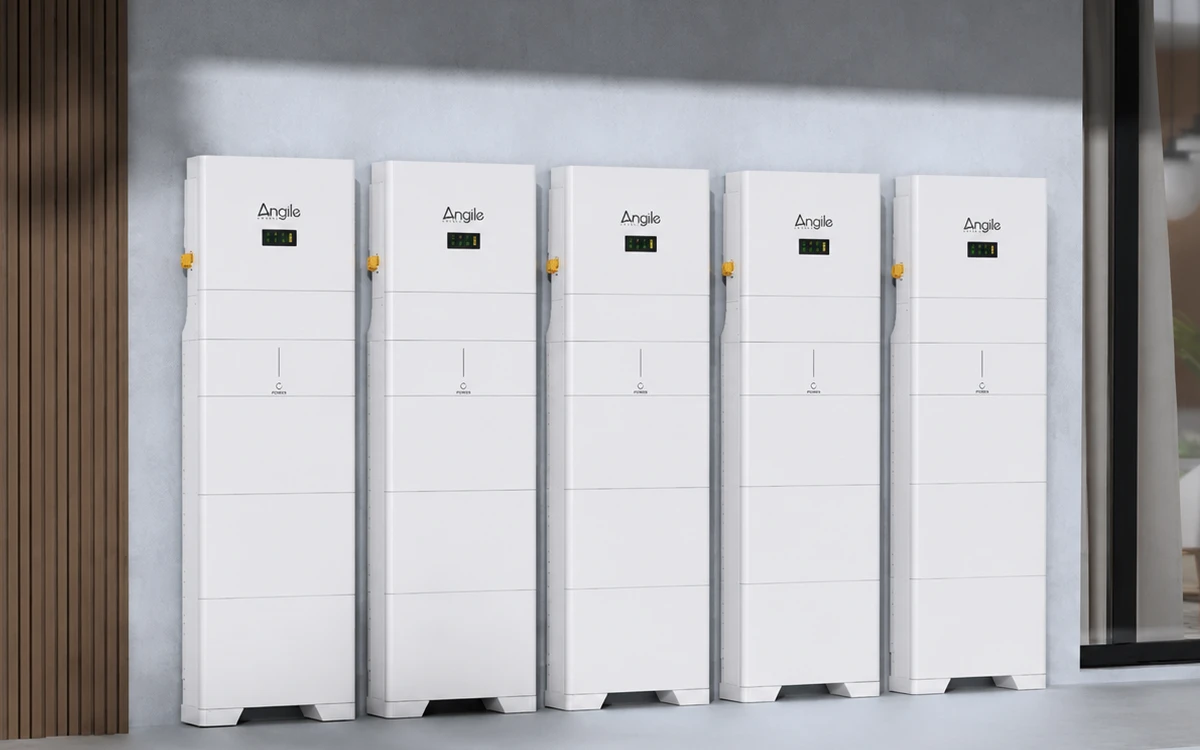
(Note: Residential setups typically use compact lithium-ion battery stacks).
The right choice depends on your budget, where you live, and your daily habits.
This is standard for many homes. It is cheaper upfront and works well if your local power company offers "net metering"—a setup where they give you full credit on your bill for the extra electricity you send back to the grid.
This is the ideal setup if you want true energy independence. Plus, available government subsidies can help cut down a big chunk of the installation costs. It is highly recommended if your power company charges high rates during evening peak hours or if you live in an area with frequent blackouts.
For most homeowners in 2026, the answer is increasingly yes. While adding a battery increases your initial setup cost, it provides strong value in several key areas:
Customer case: I ran the math for my UK flat recently. By storing cheap, off-peak electricity in a 15kWh battery for daytime use, my annual bill drops from £1,304 to £543. That’s a yearly savings of about £761, meaning the battery easily pays for itself in under 3 years.
While batteries are great, they do come with a few downsides you should consider:
Most modern residential solar batteries last between 10 to 15 years.
When shopping for a system, look closely at the manufacturer's warranty. Reputable, certified brands typically offer a 10-year warranty that guarantees the battery will maintain a large percentage of its original storage capacity over a decade of use.
Yes, in standard home setups, you can safely let your solar battery charge to 100%.
Unlike older electronics, modern residential energy systems use an built-in Battery Management System (BMS). This intelligent internal software acts like a safety guard, protecting the battery from overcharging or overheating. The system handles the technical details automatically, so you don't have to worry about unplugging or turning off the unit when it gets full.
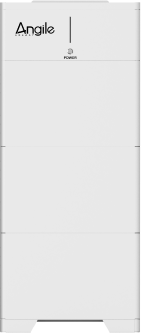
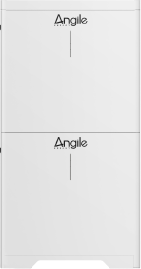
If you decide to get a battery, consider a stackable system. These systems are built like building blocks, allowing you to start with a smaller, budget-friendly base capacity and simply stack more modules on top later if your energy needs grow. They are easier for technicians to install and much more space-saving for your home.
Smart, Scalable, and Reliable Energy Storage Systems
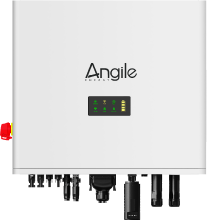
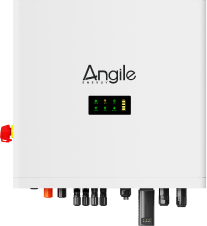
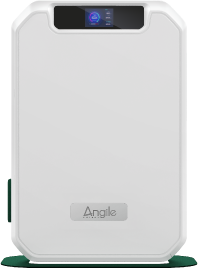
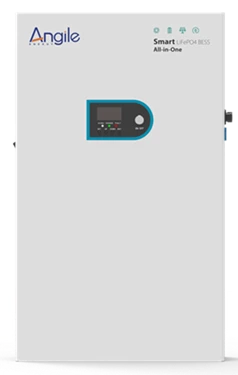
Angile’s residential energy storage solutions are built around 5kW–12kW hybrid inverters (PCS), compatible with both low-voltage (such as 51.2V) and high-voltage battery packs.
Users can start with a compact 5kWh setup and easily expand the system to 20–30kWh or more through modular battery additions.
The system supports off-grid operation, intelligent monitoring, and remote firmware upgrades, helping homeowners achieve greater energy independence and smarter energy management.
For commercial and industrial applications, Angile offers standardized outdoor liquid-cooled all-in-one cabinets in two main configurations: 105kW / 233kWh and 250kW / 500kWh.
These systems utilize high-performance Lithium Iron Phosphate (LFP) battery cells operating on a high-voltage platform of approximately 700–900V, while connecting to a 380V low-voltage distribution grid.
The “single cabinet as a power station” design ensures fast deployment and allows multiple cabinets to operate in parallel for larger-scale energy storage requirements.
For MW/MWh-scale projects, Angile adopts customized containerized integration solutions by combining multiple 250kW / 500kWh standard units into large-scale systems.
This highly integrated architecture enables rapid deployment and reliable operation for grid-level applications such as:
• Grid peak shaving and frequency regulation
• Renewable energy integration
• Utility-scale energy management
The solution provides scalability, operational efficiency, and strong support for modern smart grids.