
Choosing the right inverter size is one of the most important decisions when installing a home solar system. An inverter that is too small can limit your system's output, while one that is too large may cost more without providing extra value.
For homeowners across Europe, the right inverter size depends on much more than your solar panel capacity. Your electricity use, roof size, battery storage, and local grid requirements all play a role.
This guide explains how to choose the right inverter size and avoid common mistakes.
The inverter size refers to the maximum AC power the inverter can deliver at one time. It is usually measured in kilowatts (kW).
For example:
The inverter converts the DC electricity produced by solar panels into AC electricity that powers your home. If you have a hybrid inverter, it also manages battery charging and discharging.
A properly sized inverter helps you:
An incorrectly sized inverter can reduce energy savings or increase installation costs unnecessarily.
The size of your solar array is the starting point.
A common design in Europe pairs an inverter slightly smaller than the total solar panel capacity. This improves annual efficiency because solar panels rarely produce their full rated output throughout the day.
| Solar Panel System | Recommended Inverter |
|---|---|
| 4–5 kWp | 4 kW |
| 5–6.5 kWp | 5 kW |
| 6–7.5 kWp | 6 kW |
| 8–10 kWp | 8 kW |
| 10–12 kWp | 10–12 kW |
Many European residential systems use a DC/AC ratio between 1.1 and 1.25, meaning the solar panel capacity is slightly higher than the inverter rating. This allows higher annual energy production while keeping equipment costs under control.
Your inverter should also match your home's peak electricity demand.
Think about appliances that may run at the same time:
For example:
A professional installer can review your electricity bills and smart meter data to calculate your actual peak demand.
If you plan to install a battery now or later, choose a hybrid inverter.
Unlike a standard string inverter, a hybrid inverter can:
Planning for battery storage today can help avoid replacing the inverter in the future.
Every European country has its own grid connection rules.
For example, limits may apply based on:
Always confirm the final inverter size with your installer to ensure compliance with local regulations.
The answer depends on your home's electrical supply.
Best for:
Typical sizes:
Recommended for:
Typical sizes:
Three-phase systems distribute electricity more evenly and are often preferred for larger residential installations.
A bigger inverter does not always generate more electricity. If your solar array is too small, the inverter will rarely operate at full capacity, making it a poor investment.
Many homeowners later add:
Planning ahead can reduce future upgrade costs.
Your inverter should also match:
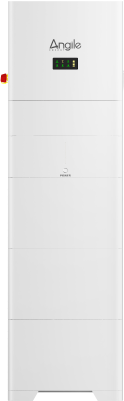
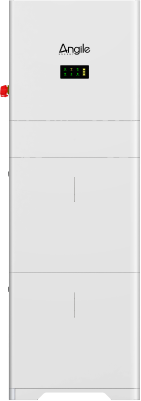
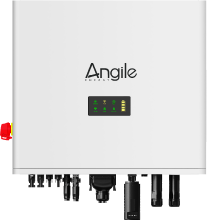
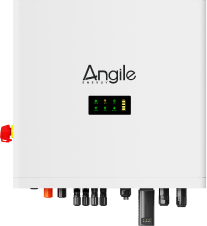
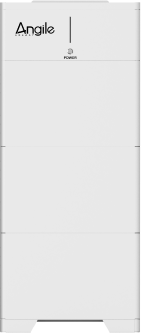
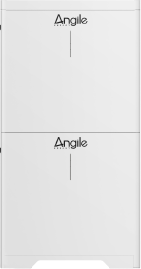
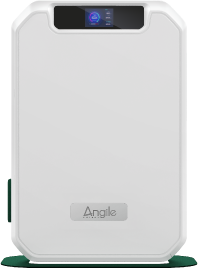
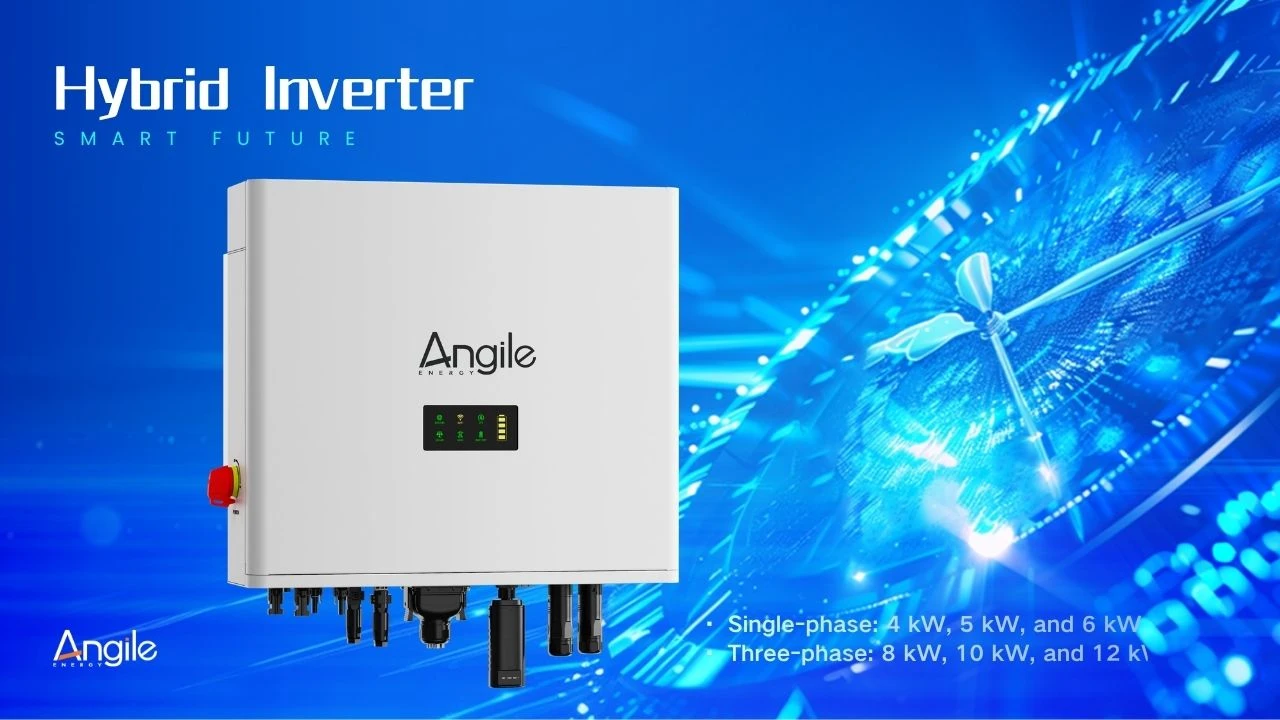
At Angile Energy, we provide complete residential energy storage solutions designed for European homes. Our hybrid inverters work together with intelligent battery systems and energy management software to improve self-consumption and reduce electricity costs.
Our residential hybrid inverter range includes:
Key features include:
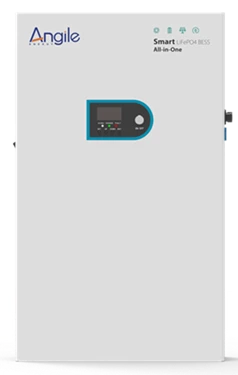
For homeowners looking for an integrated solution, Angile Energy also offers all-in-one energy storage systems that combine a hybrid inverter, stackable battery modules, BMS, and intelligent energy management in one compact design. These systems are easy to install, IP65-rated, and backed by a 10-year battery system warranty.
A slightly smaller inverter than the solar array is common practice and often improves annual efficiency. However, excessive undersizing can cause power clipping during periods of high solar production.
Yes, but only if it remains compatible with your current system and local grid rules. Discuss future expansion plans with your installer before purchasing.
If you may add battery storage later, installing a hybrid inverter now can save money and avoid replacing equipment in the future.
For many residential installations, 5 kW to 10 kW hybrid inverters cover the needs of typical households, though the ideal size depends on your solar array, electricity usage, and local grid requirements.
There is no one-size-fits-all answer to "What inverter size do I need?" The best choice depends on your solar panel capacity, household electricity demand, battery plans, and local regulations.
Working with an experienced installer ensures your system is correctly sized for today's needs while leaving room for future upgrades. With the right hybrid inverter and energy storage solution, homeowners across Europe can maximize solar generation, improve energy independence, and reduce long-term electricity costs.