
The energy storage sector is entering a new phase of system design. Traditionally, energy storage solutions were assembled from separate components, battery packs, inverters, and energy management systems (EMS). While effective, this approach often resulted in higher installation complexity, longer deployment times, and limited scalability.
Since 2025, and accelerating significantly into 2026, a new architecture has gained strong traction: the stackable all-in-one energy storage system (ESS). This design integrates key components into a single modular platform that can be expanded incrementally. As a result, it offers improved flexibility, simplified installation, and enhanced operational intelligence. By 2026, it has increasingly become a mainstream choice across residential energy storage markets.
This article explores the concept of stackable all-in-one ESS, the factors driving its adoption, and the leading manufacturers shaping this segment.
A stackable all-in-one energy storage system (ESS) can be described as an integrated residential new energy solution that combines a photovoltaic (PV) inverter, a battery storage system, and an energy management system (EMS). This configuration enables a complete energy cycle, including solar power generation, energy storage, load management, and interaction with the power grid, all within a single coordinated system.
The defining feature is modularity. Capacity can be increased by adding additional units or stacking modules vertically, enabling systems to scale from residential to commercial applications with minimal redesign.
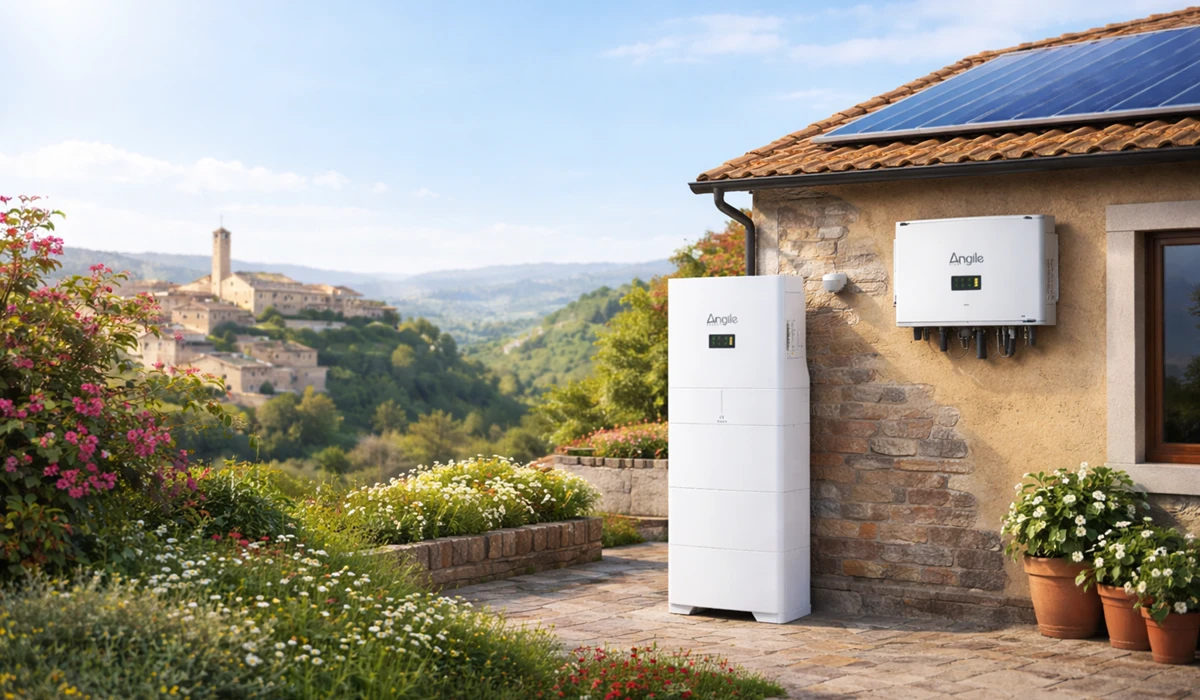
“Smart, Scalable, and Ready for the Future”
Integrated all-in-one energy storage systems combine power generation, storage, and management into a single streamlined solution—making clean energy simpler, smarter, and more efficient.
① Fox ESS
Fox ESS provides modular battery systems paired with inverters in a tightly integrated ecosystem. Its AIO series solutions are particularly popular in residential markets and are known for ease of installation and competitive performance.
② Sigenergy
Sigenergy has emerged as a leading innovator in this category with its SigenStor platform. The system integrates battery storage, inverter, PCS, EMS, and EV charging into a single architecture. Its modular design enables seamless expansion, and its high level of integration reduces installation complexity. Sigenergy represents one of the most complete implementations of the all-in-one ESS concept.
③ Alpha ESS
Alpha ESS offers mature and reliable stackable all-in-one systems for residential applications. Its SMILE series solutions emphasize stability and usability, with a strong presence in established solar-plus-storage markets.
④ Growatt
Growatt focuses on cost-effective, modular energy storage solutions. Its stackable battery systems allow for flexible and scalable capacity. The SPH/SPA 3000–6000TL-HUB/AUB is an all-in-one residential system that integrates a hybrid inverter with battery support for efficient home energy management.
⑤ Hoymiles
Hoymiles deserves a place in the top stackable all-in-one ESS category. Its 2026 HiOne system is a true AIO solution, combining inverter, battery, and EMS in a single enclosure with stackable expansion up to 64 kWh.
⑥ SAJ
SAJ Electric offers fully integrated all-in-one residential ESS solutions such as the HS2 and HS3 series, combining inverter, battery, EMS, and backup functions within a single unit. Its modular architecture supports flexible expansion, while the "6-in-1" design and plug-and-play installation highlight a strong focus on integration, simplicity, and smart energy management.
⑦ Huawei Solar
Huawei offers modular energy storage systems such as the LUNA2000 series, built around a stackable design with separate power and battery modules. These systems enable flexible capacity expansion (5–15 kWh) and use module-level optimization to maximize usable energy and allow mixing of new and existing battery units. Rather than a single integrated enclosure, Huawei’s solution relies on tight integration with compatible hybrid inverters and advanced digital management through its smart energy ecosystem.
⑧ Tesla Energy
Tesla Energy offers highly integrated systems such as Powerwall. While these solutions are modular at the system level, they do not feature vertically stackable battery modules, placing them outside the strict definition of stackable ESS.
⑨ BYD
BYD is a pioneer in modular battery design, particularly with its Battery-Box series. While its systems typically require external inverters, its stackable architecture has influenced much of the industry.
⑩ Angile Energy
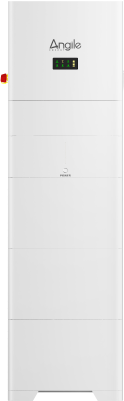
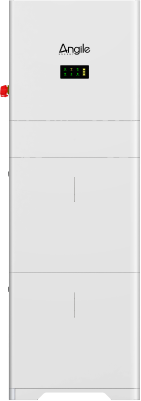
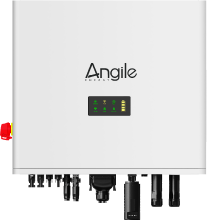
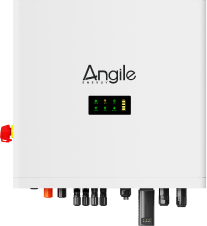
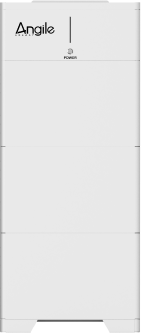
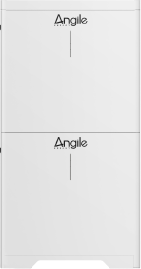
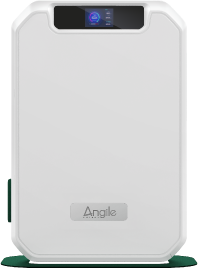
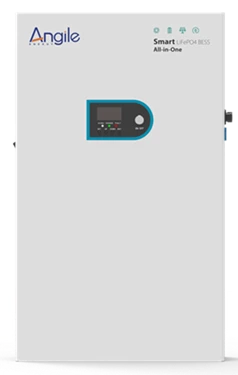
Angile Energy focuses on integrated all-in-one systems designed for both residential and commercial applications. Its ePowerCUBE AIOT and AIOS emphasize a modular, scalable home solar + battery system designed for flexibility, remote monitoring, and high efficiency, suited for residential energy independence or backup power.
The energy storage market is increasingly divided between two approaches:
The latter is gaining momentum due to its advantages in deployment speed, scalability, and operational intelligence.
In this context, newer entrants such as Sigenergy and Angile Energy are helping redefine system expectations, while established players continue to adapt their offerings toward greater integration.
Stackable all-in-one ESS represents a significant evolution in energy storage design. By combining modular hardware with integrated software, these systems address many of the limitations associated with traditional architectures.
As adoption accelerates, the competitive landscape will increasingly favor companies that can deliver not only high-performance batteries, but also cohesive, intelligent systems. In this environment, system architecture—rather than individual components—will be the primary differentiator.
For stakeholders evaluating energy storage solutions in 2026 and beyond, the focus should shift from component selection to overall system design and long-term scalability.