
Heat pumps are a popular choice for home heating and cooling because they can provide efficient comfort without relying directly on fossil fuels. When paired with solar panels, they can also help homeowners make better use of renewable energy.
But there is one common question: Can a home battery power a heat pump at night?
Yes, it can. However, whether a battery can run your heat pump all night depends on several factors, including the heat pump's power demand, battery capacity, weather conditions, home insulation, and how the system is managed.
Solar panels → Battery → Hybrid inverter → Heat pump → Home heating or cooling
Unlike a gas boiler, a heat pump uses electricity to move heat from one place to another. During winter, it takes heat from the outside air or ground and transfers it into the home. In summer, the process can be reversed to provide cooling.
This means a heat pump can become one of the larger electricity loads in a home.
At night, there is usually little or no solar production. Without battery storage, a solar-powered home must either draw electricity from the grid or reduce its heat pump usage. A home battery provides another option: store excess solar energy during the day and use that stored electricity after sunset.
A smart energy management system can help decide when to charge the battery, when to use stored energy, and when to draw power from the grid.
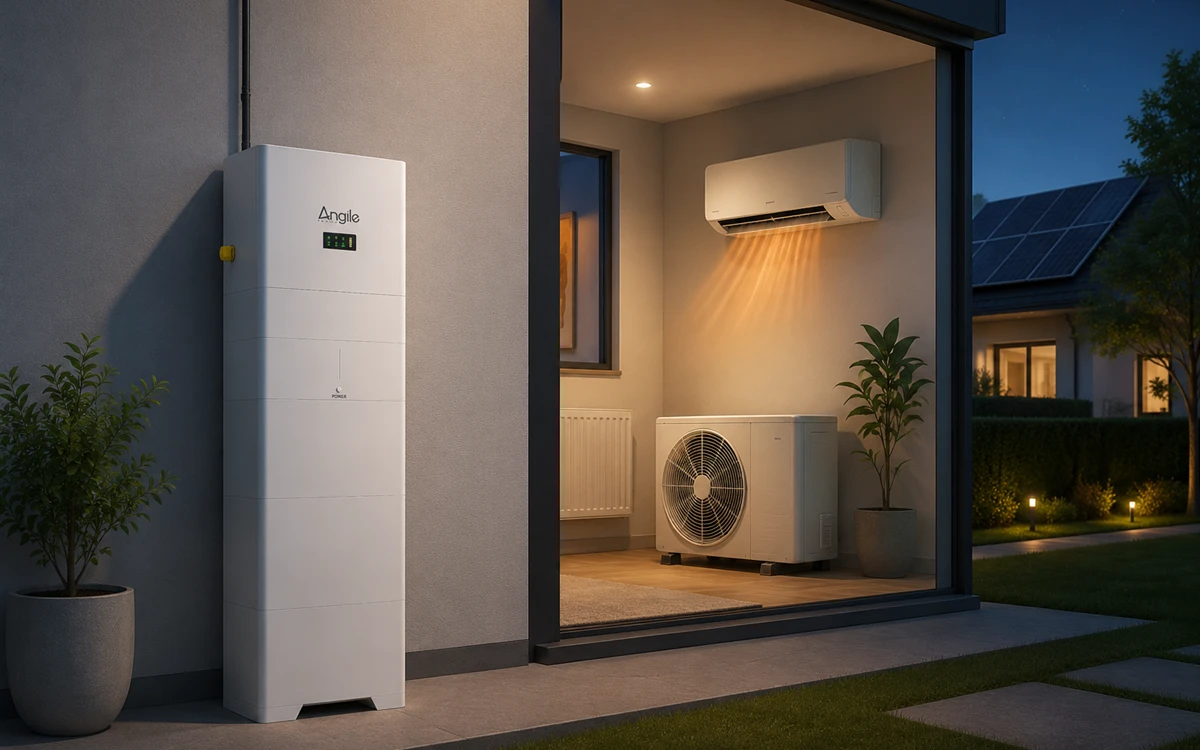
There is no single battery size that works for every home.
A heat pump may consume different amounts of electricity depending on its size, outdoor temperature, operating mode, and how long it runs. For example, a well-insulated home may need much less heating energy than a poorly insulated house.
It is useful to think about the calculation in terms of energy rather than simply battery size.
If a heat pump averages 2 kW while operating and runs for five hours during the night, it would use roughly:
2 kW × 5 hours = 10 kWh
In reality, the heat pump may not run continuously at its maximum power. It may cycle on and off or reduce its output once the target temperature is reached.
Other household loads also need to be considered. Refrigerators, lighting, networking equipment, water heaters, and other appliances may use energy from the same battery.
For this reason, a homeowner should calculate the total overnight energy requirement, rather than sizing the battery around the heat pump alone.
A battery's capacity tells you how much energy it can store, but it does not tell you how much power it can deliver at one time.
This distinction is important.
For example, a battery may have enough stored energy to run a heat pump for several hours but may not be able to handle the heat pump's startup or peak power demand together with other household loads.
The inverter also matters. The inverter converts DC electricity from the battery into AC electricity that household appliances can use.
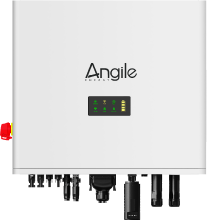
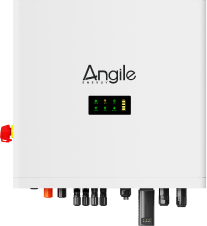
Angile Energy's hybrid inverter range includes single-phase models from 4 kW to 6 kW and three-phase models from 8 kW to 12 kW. The system also supports off-grid overload capability and PV oversizing, which can be useful when designing a residential backup system.
The right combination of battery capacity + inverter output + heat pump demand is therefore essential.
Yes. In fact, this is one of the most useful combinations for a home energy system.
During the day, solar panels can supply electricity directly to the home. If solar production is higher than current household demand, the excess can charge the battery.
Later, when solar production falls, the battery can supply electricity to the heat pump and other appliances.
A smart system can also adjust charging and discharging based on electricity prices. For homes with time-of-use tariffs, the battery may charge when electricity is cheaper and reduce grid consumption during more expensive periods.
This approach can improve solar self-consumption and reduce dependence on grid electricity.
Winter conditions make battery sizing more important.
When temperatures drop, a heat pump may need to work harder to maintain indoor comfort. The system may also operate for longer periods. As a result, electricity consumption can increase.
This is why homeowners should not size a battery based only on average daily consumption. It is better to consider the home's actual heating requirements during colder periods.
Good insulation, efficient windows, and proper heat pump sizing can also make a major difference. A more efficient home needs less energy to maintain a comfortable temperature, which means the same battery can potentially provide backup for longer.
Energy needs can change over time. A homeowner may install solar and a small battery first, then add more storage after purchasing a heat pump or an electric vehicle.
A modular battery system can make this expansion easier.
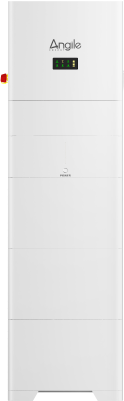
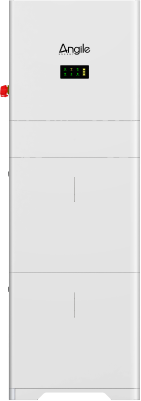
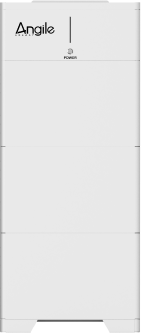
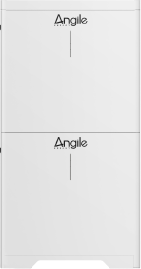
For example, Angile Energy's ePowerCUBE storage system uses 5.12 kWh battery modules. Its configuration can be expanded, with up to six PCS units operating in parallel and up to 36 battery modules in the larger system configuration.
This type of modular design can help homeowners build a system around their current needs and increase storage later when energy demand grows.
A few simple strategies can reduce overnight battery consumption:
Yes, but the battery must be properly sized for the job.
The key is not simply choosing the biggest battery available. Homeowners should look at the heat pump's average and peak electricity demand, expected operating hours, other nighttime loads, inverter capacity, solar generation, and local electricity prices.
A well-designed solar-plus-storage system can turn daytime solar energy into nighttime heating power. With a hybrid inverter, modular battery storage, and intelligent energy management, homeowners can use more of their own solar electricity while reducing reliance on the grid.
For homes planning to use a heat pump, battery storage is therefore worth considering as part of the wider energy system—not as a standalone product. The best results come when solar generation, battery capacity, inverter power, heat pump efficiency, and home energy management are designed to work together.