
If you are planning to set up a solar system for your home or business, you will quickly notice how many technical terms are out there. One of the most common questions people ask is: what is the difference between a hybrid solar inverter and a PV inverter?
Both play a crucial role in a solar setup, but they handle your electricity very differently. Choosing the right one depends on how you want to manage your energy today and in the future.
Let's break it down in simple terms.
| Feature | PV Inverter | Hybrid Inverter |
| Battery Storage | No, cannot connect to batteries | Yes, manages battery charging |
| Power During Outages | No, shuts down during blackouts | Yes, provides emergency backup power |
| System Complexity | Simple layout with fewer parts | More advanced, built-in smart controls |
| Best Used For | Basic daytime energy savings | Maximizing self-use & grid independence |
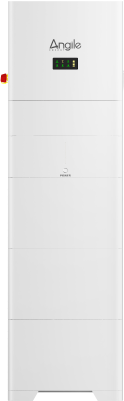
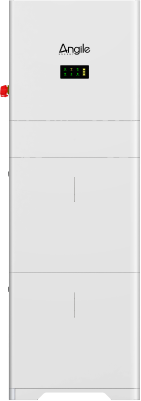
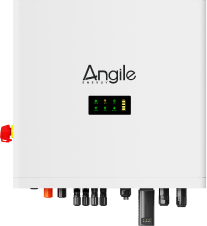
A hybrid solar inverter does everything a PV inverter does, plus a lot more. It is essentially an all-in-one system built to help you store energy, manage power smart layouts, and keep your home running smoothly during blackouts.
How it works: It converts solar power from DC to AC for your home, but it can also work directly to a solar battery storage system.
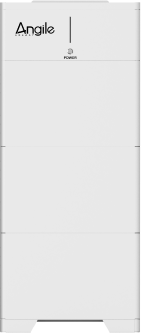
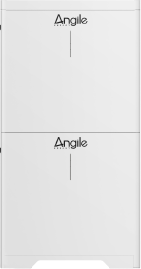
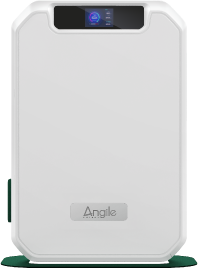
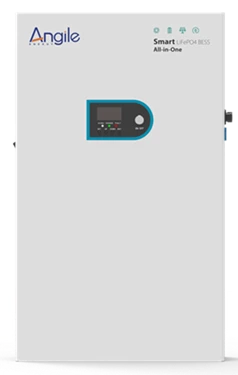
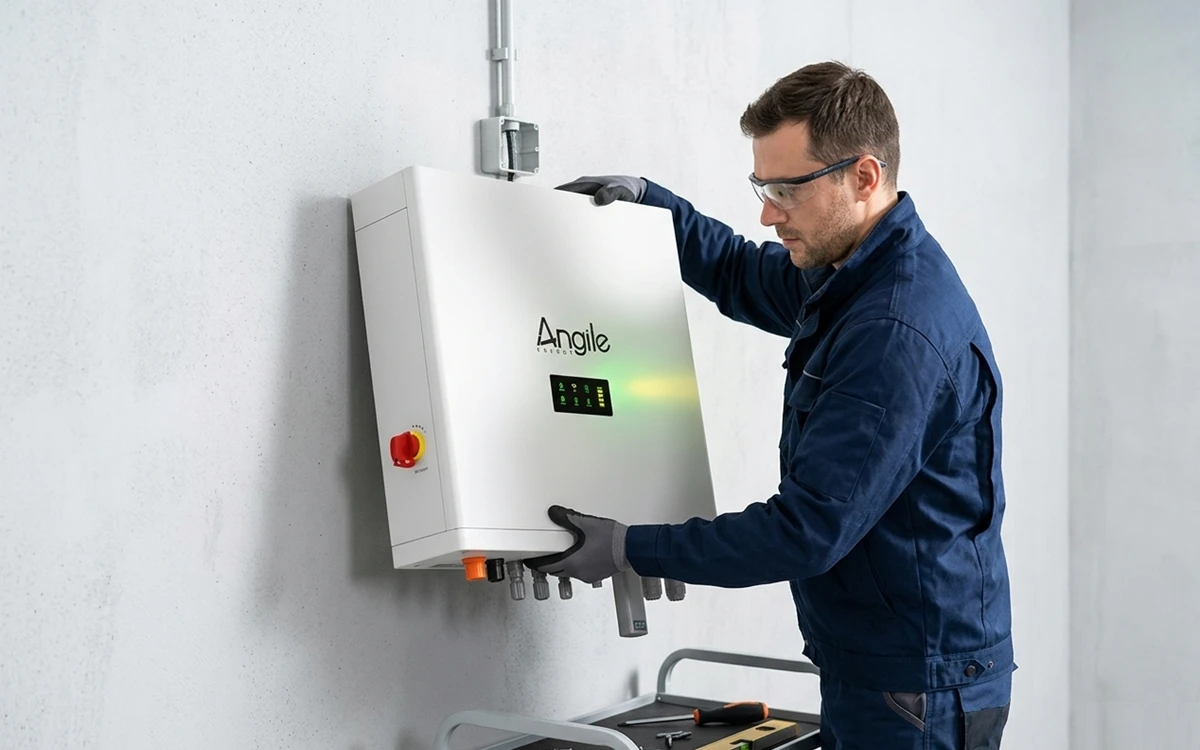
Angile’s residential energy storage solutions are built around 5kW–12kW hybrid inverters (PCS), which are fully compatible with both low-voltage (such as 51.2V) and high-voltage battery packs.
Smart management: If your solar panels make more electricity than you need during the day, the hybrid inverter directs that extra power into your batteries instead of sending it away to the grid.
Energy independence: When the sun goes down or if there is a sudden power outage, the hybrid inverter switches over to pull power from your stored battery reserve. This keeps your lights on and your essential appliances running without interruption.
To learn more about the difference between hybrid solar power inverters and pcs, check out our detailed guide: What is the difference between PCS and PV inverter?
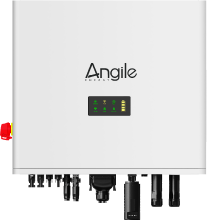
A PV (photovoltaic) inverter is the traditional choice for a regular solar setup.
How it works: Solar panels generate direct current (DC) electricity from the sun. Your home appliances use alternating current (AC) electricity. The PV inverter does one simple job: it converts that DC power into AC power so you can use it immediately.
The limitation: It cannot connect to a battery. If your panels produce more electricity than you can use during the peak sun hours, that extra power is automatically sent back to the utility grid.
Grid dependence: PV inverters are completely tied to the grid. For safety reasons, if the power grid goes down, a PV inverter turns off automatically. This means you will not have electricity during a blackout, even if the sun is shining brightly.
Choosing the right option comes down to how you plan to use your energy. Here is a quick guide to help you decide.
Angile's flexible design means you can start small with a compact 5kWh setup and easily expand the system to 20–30kWh or more through modular battery additions as your needs grow.
Your choice comes down to what you need most from your energy. If you want a straightforward, budget-friendly way to cut daytime energy costs, a PV inverter is a proven choice.
But if you want energy independence, and a system ready for tomorrow’s technology, a hybrid solar inverter is the smart path forward. With Angile Energy's full support for off-grid operation, intelligent monitoring, and remote firmware upgrades, our systems are built to help you achieve true energy independence and much smarter energy management for your home.