
A solar power system helps homes produce electricity from sunlight. As energy prices continue to rise, more homeowners are choosing solar systems to reduce electricity bills and improve energy independence. Modern systems are also integrated with battery storage packs, allowing homes to use solar energy even at night or during power outages.
Understanding how a solar power system works can help homeowners choose the right setup for their energy needs.
Most residential solar power systems include several important parts:
Solar panels are usually installed on the roof where they receive direct sunlight. The panels contain photovoltaic (PV) cells that convert sunlight into direct current (DC) electricity.
There are three main types of panels:
The amount of electricity generated depends on:
Homes use alternating current (AC) electricity, but solar panels produce DC electricity. The inverter changes DC electricity into usable AC electricity for household appliances.
The inverter is one of the most important parts of the solar power system because it controls energy conversion and system performance.
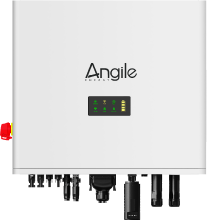
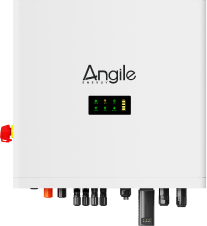
Modern hybrid inverters can also manage battery charging and energy flow between solar panels, batteries, the home, and the utility grid.
Many homeowners now add battery storage systems to their solar setup. Batteries store extra solar energy produced during the day so it can be used later. Check more: Is It Worth Adding a Solar Energy Storage System To Rooftop Solar Panels?
Battery storage offers several benefits:
This is especially useful in areas with Time-of-Use electricity pricing, where electricity costs more during peak hours.
Most residential systems remain connected to their local power grid. During sunny hours, excess electricity can be sent back to the grid. In some regions, homeowners receive energy credits through net metering programs.
At night or during low solar production, the home can still use electricity from the grid when needed.
There are three common types of residential solar power systems.
A grid-tied system connects directly to the utility grid without batteries. It is usually the most affordable option and works well for homes with stable utility service.
A off-grid system works independently from the utility grid. It requires battery storage to provide electricity when solar production is low.
These systems are often used in remote areas where utility access is limited.
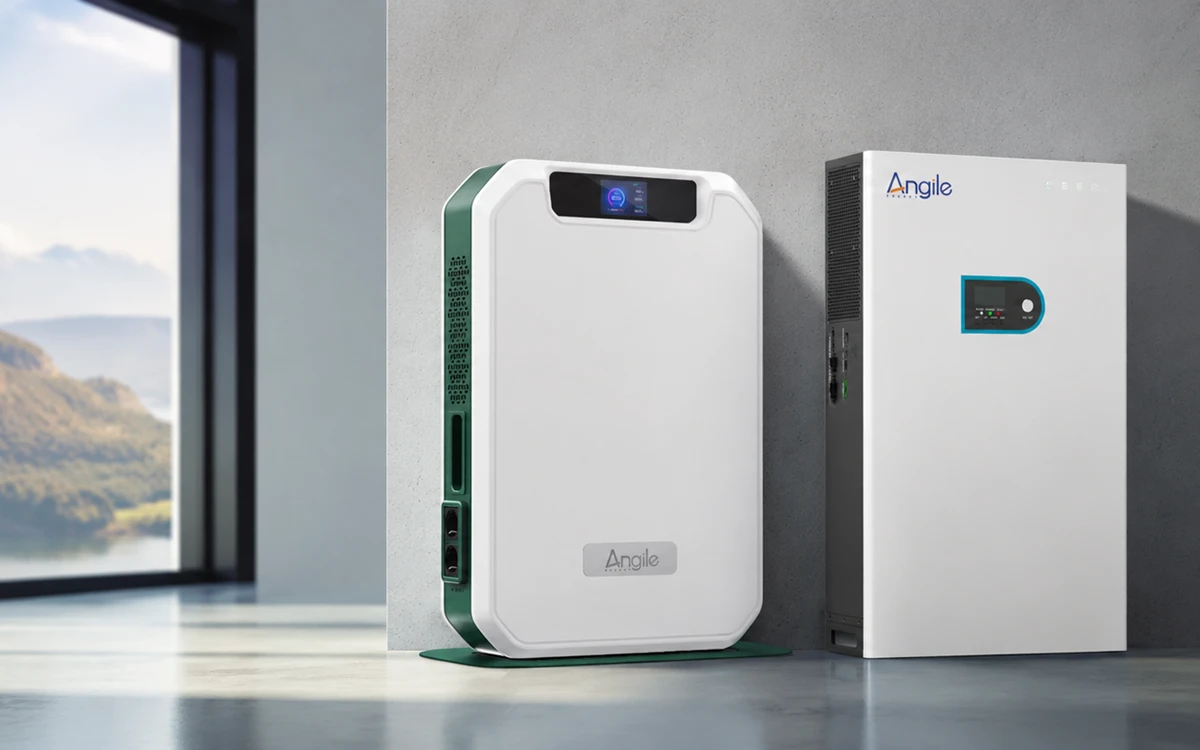
A hybrid solar system combines solar panels, batteries, and grid connection. It provides more flexibility and backup protection while improving solar energy usage.
Hybrid systems are becoming increasingly popular for modern homes.
During daylight hours, the solar power system works automatically:
At night, the home can use stored battery energy or electricity from the utility grid so your power never goes out.
A solar power system can provide several long-term advantages:
As battery technology improves, homeowners can store more energy and use solar power more efficiently. Commercial businesses can also enjoy these same financial and environmental benefits on a much larger scale.
The best solar setup depends on several factors:
Modern energy systems often combine solar panels, hybrid inverters, and battery storage into one integrated solution.
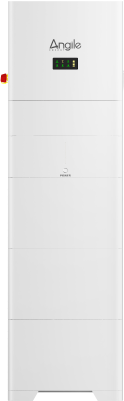
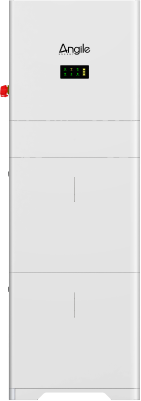
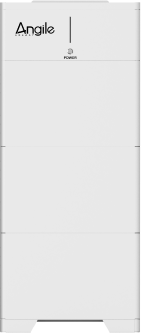
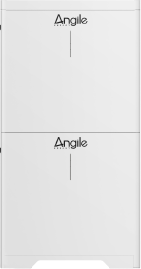
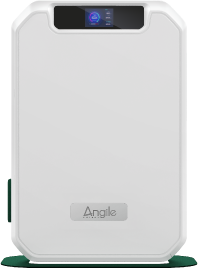
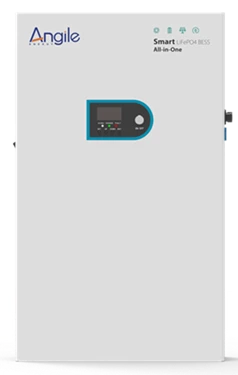
Companies like Angile Energy provide residential energy storage and hybrid inverter solutions designed to improve home energy management. Their products include all-in-one residential energy storage systems, hybrid inverters, and battery packs that support efficient solar energy use.
As solar technology continues to develop, more homeowners are choosing integrated systems that offer easier installation, real-time monitoring, and better energy control.