
A power outage can turn a comfortable hotel stay into a frustrating experience within minutes. The lights go out, elevators stop, Wi-Fi becomes unavailable, air conditioning shuts down, and guests may quickly start asking the front desk the same question: When will the power be back?
For hotels, restaurants, resorts, and other hospitality businesses, power reliability is not simply an operational concern. It is part of the guest experience. A short outage can affect reviews, revenue, staff productivity, food safety, and guest confidence.
This is why more hospitality businesses are looking beyond traditional backup generators and considering battery energy storage systems as part of their resilience strategy.
Hotels depend on electricity for almost every part of daily operations. Guest rooms require lighting, heating or cooling, televisions, outlets, and Wi-Fi. Common areas need lighting and security systems, while kitchens rely on refrigeration and cooking equipment.
During an outage, not every electrical load needs to remain operational. The key is identifying the systems that are most important for guest safety and comfort.
Typical priority loads may include:
A well-designed backup system can keep these critical services running while less important equipment remains switched off.
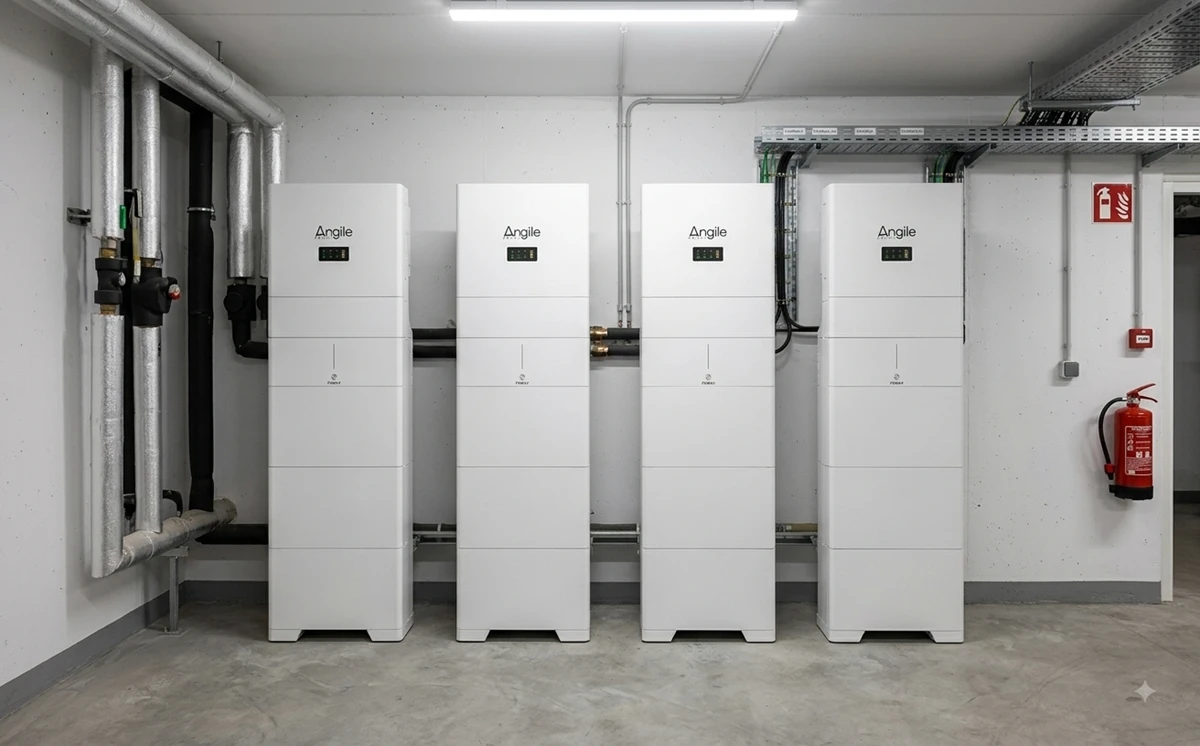
Traditional generators have long been used by hotels as emergency power sources. They can provide substantial power for extended outages, but they also come with fuel storage, noise, emissions, maintenance, and regular testing requirements.
Battery energy storage offers another approach.
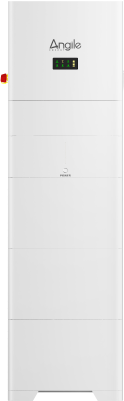
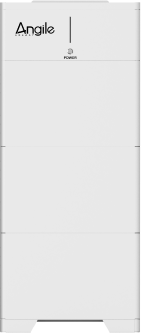
A battery energy storage system stores electricity in advance and can automatically supply selected loads when the grid fails. Because there is no need to start an engine, batteries can respond very quickly to an outage.
For hospitality businesses, this can be particularly useful for maintaining essential services without creating additional noise for guests.
Battery storage can also work alongside solar panels. During normal operation, solar energy can charge the battery and help reduce electricity purchased from the grid. During an outage, the stored energy can provide backup power for designated loads.
This means the system can have a role every day, rather than sitting unused until an emergency occurs.
Emergency lighting and security systems are essential, but five-star resilience goes further. Guests expect a certain level of comfort throughout their stay.
Imagine a hotel during a summer heatwave. If the grid goes down, indoor temperatures can rise quickly. Keeping the entire building powered may not be practical, but maintaining cooling in selected guest rooms, common areas, or other priority zones can make a significant difference.
The same principle applies during cold weather.
Instead of trying to power every electrical device, hotels can create a priority energy plan. Critical systems receive power first, while non-essential loads are temporarily reduced.
Smart energy management can help automate this process.
A battery alone does not determine how long backup power will last. The way electricity is managed is equally important.
An energy management system can monitor consumption and determine which loads should operate during an outage. If battery capacity becomes limited, the system can reduce or disconnect lower-priority equipment to preserve energy for essential services.
For example, a hotel might prioritize:
This approach allows the available stored energy to be used where it creates the greatest value.
Resilience does not have to mean paying for equipment that is only useful during emergencies.
Hotels often have significant electricity demand during peak periods. Depending on the local electricity tariff, battery storage can be used to reduce grid consumption during expensive periods and charge when electricity is cheaper.
This strategy, commonly known as peak shaving, can help businesses manage demand and potentially reduce electricity costs.
For hotels with solar panels, batteries can also store excess solar generation during the day and make it available later when guest activity and electricity demand increase.
The result is a system that supports both daily energy management and emergency preparedness.
There is no single battery size that works for every hospitality business. A small boutique hotel and a large resort have very different energy requirements.
Before selecting a system, hotel operators should consider:
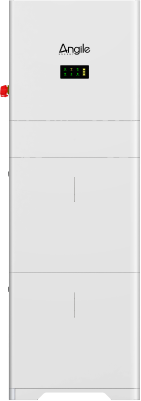
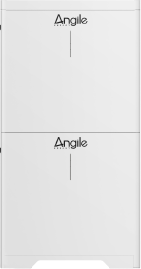
Modular battery systems can be particularly useful because capacity can be expanded as the hotel's energy needs change.
The goal is not necessarily to keep the entire hotel running exactly as normal. Instead, it is to maintain the most important guest and operational services for as long as possible.
Guests may never notice a hotel's energy storage system—and that is often the point.
They may simply notice that the hallway lights stayed on, the Wi-Fi continued working, the reception desk remained operational, or their room stayed reasonably comfortable while the surrounding area experienced an outage.
For hotel operators, this quiet reliability can protect more than equipment. It can protect the guest experience and the reputation built around it.
As extreme weather, grid congestion, and electricity demand continue to create challenges for businesses, hospitality operators have more reason to treat energy resilience as part of long-term planning.
Five-star hospitality is about more than a beautiful room and excellent service. It is also about being prepared when unexpected problems occur. With battery storage, smart energy management, and a clear backup strategy, hotels can keep essential services running—and give guests one less reason to worry when the lights go out.