
As more homeowners install solar energy storage systems, battery performance and safety have become important concerns. One question many users ask is: Can a home battery be over-discharged?
The answer is yes, but modern residential energy storage systems are designed to prevent it.
An over-discharged battery can lose capacity, experience reduced performance, and in severe cases, become permanently damaged. Fortunately, intelligent Battery Management Systems (BMS) help protect lithium batteries from operating outside their safe voltage range.
This article explains what battery over-discharge is, what causes it, how modern battery systems prevent it, and what homeowners can do to extend battery life.
Battery over-discharge happens when a lithium battery continues supplying power after its voltage falls below the manufacturer's safe operating limit.
Every lithium battery has a recommended minimum voltage. If the battery is discharged below this level, chemical reactions inside the cells become unstable, which may reduce battery capacity and shorten its service life.
Unlike small consumer batteries, residential energy storage batteries include an intelligent BMS. The BMS continuously monitors battery conditions and automatically stops discharging before the battery reaches an unsafe voltage.
Because of this built-in protection, over-discharge is uncommon in properly installed home energy storage systems.
Lithium batteries perform best when they operate within their designed charging and discharging range.
If a battery is repeatedly discharged too deeply, several problems may occur.
Some active materials inside the battery become permanently inactive, reducing the amount of energy the battery can store.
Deep discharge places additional stress on battery cells. Repeated over-discharge accelerates battery aging and reduces the total number of charging cycles.
As batteries degrade, internal resistance increases. This reduces charging efficiency and limits the battery's ability to deliver power.
If the battery remains in an over-discharged state for a long period, some cells may become permanently damaged and cannot be safely recovered.
Modern residential battery systems are designed to prevent over-discharge, but certain situations can still increase the risk.
Even when the battery is turned off, it still consumes a very small amount of power to support internal electronics.
If the battery is stored for several months without charging, its voltage may gradually fall below the safe level.
During long power outages with little or no solar generation, the battery may continue supplying electricity until it reaches its minimum State of Charge (SOC).
Normally, the BMS disconnects the battery before over-discharge occurs.
Improper inverter settings or discharge limits may allow the battery to operate closer to its minimum voltage than recommended.
Professional installation and correct system configuration help avoid unnecessary battery stress.
As lithium batteries age, their available capacity gradually decreases.
Older batteries reach low voltage faster than new batteries, making intelligent battery management even more important.
Although uncommon, communication problems between the inverter and battery, or a malfunctioning protection circuit, may affect battery management.
Regular system maintenance helps detect these issues early.
The BMS is one of the most important components of a residential energy storage system.
Instead of simply measuring battery percentage, the BMS continuously monitors each battery cell.
When the battery approaches its minimum safe voltage, the BMS automatically limits or stops battery discharge.
This protection helps extend battery life while maintaining safe system operation.
If the battery has reached its minimum discharge limit, homeowners may notice:
This does not necessarily mean the battery is damaged.
In many cases, the battery has simply entered protection mode to prevent over-discharge.
Homeowners should never attempt to manually recover an over-discharged lithium battery.
If the battery enters protection mode:
Using unauthorized chargers or bypassing the Battery Management System may damage the battery and create safety risks.
Fortunately, preventing over-discharge is relatively simple.
If possible, leave the battery connected to the energy storage system so it can automatically manage charging and protection.
If the battery will not be used for several months, follow the manufacturer's recommended storage State of Charge and recharge it periodically.
Modern monitoring platforms allow homeowners to check battery health, charging status, and system performance at any time.
Early detection of abnormal conditions helps prevent unnecessary battery stress.
Avoid frequently discharging the battery to its lowest available capacity.
Maintaining a reasonable minimum State of Charge helps improve battery lifespan.
Professional inspections help ensure the inverter, battery, and communication system continue operating correctly.
At Angile Energy, battery protection is built into every residential energy storage solution.
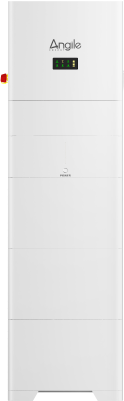
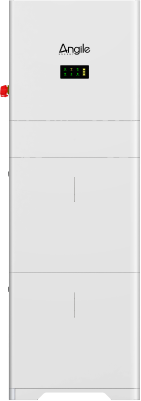
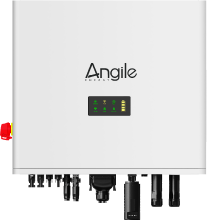
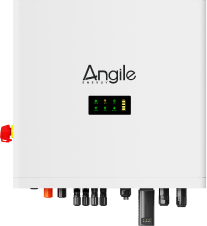
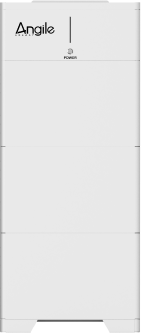
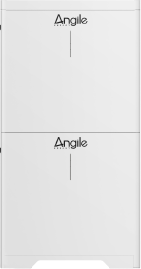
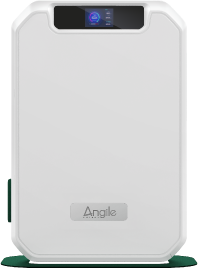
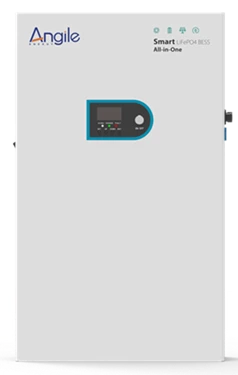
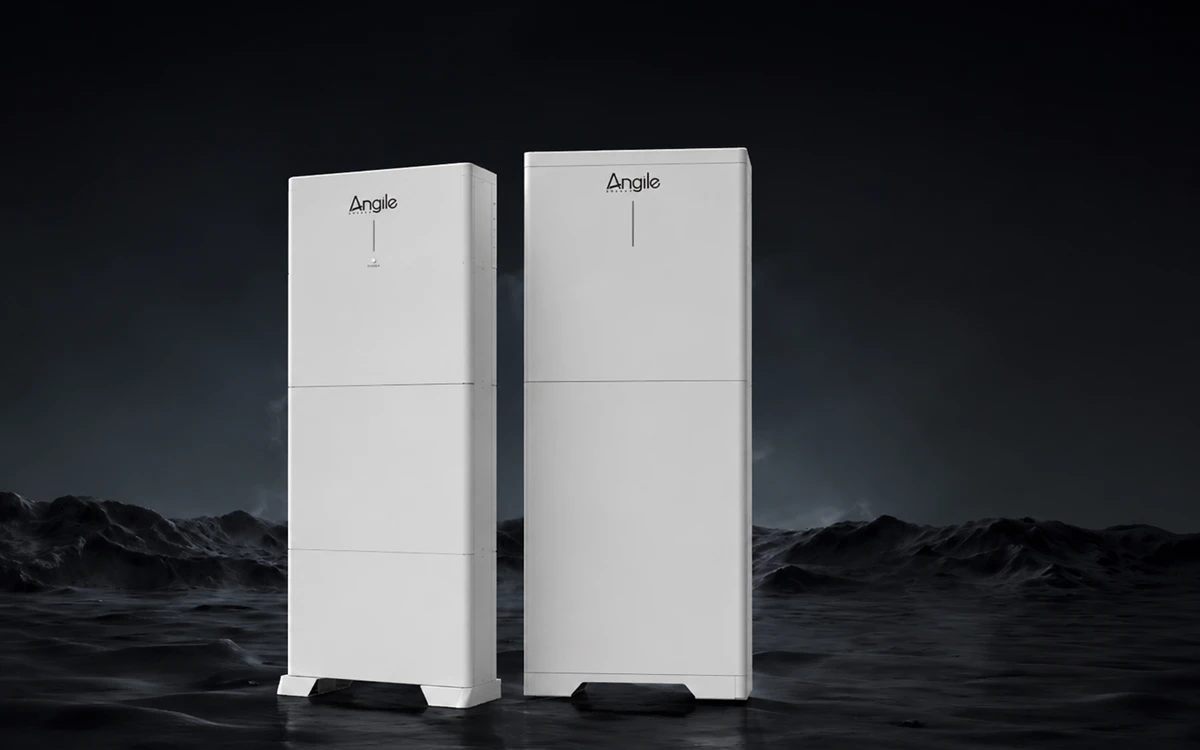
Our systems integrate hybrid inverters, stackable high-voltage or low-voltage battery packs, and an intelligent Battery Management System into one complete solution.
The intelligent BMS continuously monitors battery voltage, temperature, charging current, and cell status. If abnormal conditions are detected, the system automatically adjusts charging or discharging to help protect the battery.
Through the AE Studio energy management platform, homeowners can monitor battery performance, energy consumption, and system operation in real time, making daily energy management simple and efficient.
In addition, Angile Energy's self-developed 3S technology (PCS, BMS, and EMS) improves battery management, system reliability, and overall energy efficiency. Combined with European certifications, local technical support, and scalable battery solutions, Angile Energy provides homeowners with safe and reliable residential energy storage systems.
Not necessarily. Modern battery systems usually stop discharging before damage occurs. However, repeated deep discharge or leaving a battery uncharged for a long period may reduce its lifespan.
Most lithium batteries are designed for deep cycling, but regularly reaching the lowest possible State of Charge may shorten battery life. Following the manufacturer's recommended discharge settings is the better choice.
The Battery Management System controls charging and discharging, balances battery cells, monitors temperature and voltage, and prevents unsafe operating conditions. These functions help improve battery safety, performance, and service life.
Over-discharge is one of the factors that can reduce the lifespan of a lithium battery, but modern residential energy storage systems are designed to prevent it.
With intelligent battery management, proper installation, and regular monitoring, homeowners can enjoy reliable energy storage while protecting their battery investment.
Choosing a residential energy storage system with an advanced Battery Management System, high-quality hybrid inverter, and intelligent energy management platform helps ensure long-term performance, greater safety, and more efficient use of solar energy.