
A power inverter is an important part of a solar energy system. Some homeowners may notice two unusual signs: the power inverter is beeping and the side feels hot. This can be worrying, especially when the inverter is installed inside a garage, utility room, or near living areas.
In most cases, a beeping inverter is sending an alert rather than showing a serious failure. The sound helps users identify problems such as grid issues, battery warnings, overload, or high temperature.
This guide explains the common causes and what homeowners can do.
A beeping inverter usually means the system has detected an unusual condition. The exact meaning depends on the inverter model and the error code shown on the display or monitoring app.
Common causes include:
Household solar systems are connected to the public electricity grid. Sometimes, local grid voltage can become too high or unstable, especially when many homes export solar power at the same time.
When the inverter detects voltage outside the safe range, it may stop temporarily and create an alarm sound.
Possible solution:
For homes with battery storage, a low battery level is one of the most common reasons for inverter warnings.
For example, during winter in countries such as Germany, the Netherlands, or the UK, shorter daylight hours may reduce solar charging. If the battery reaches a very low state of charge, the inverter may warn the user to protect the battery.
Check:
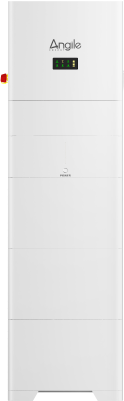
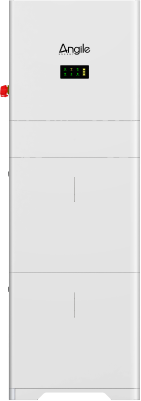
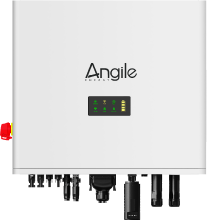
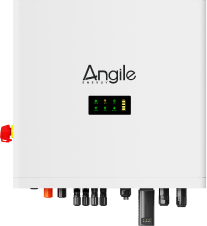
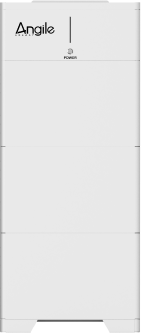
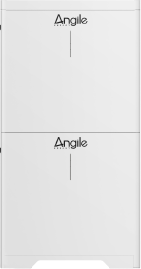
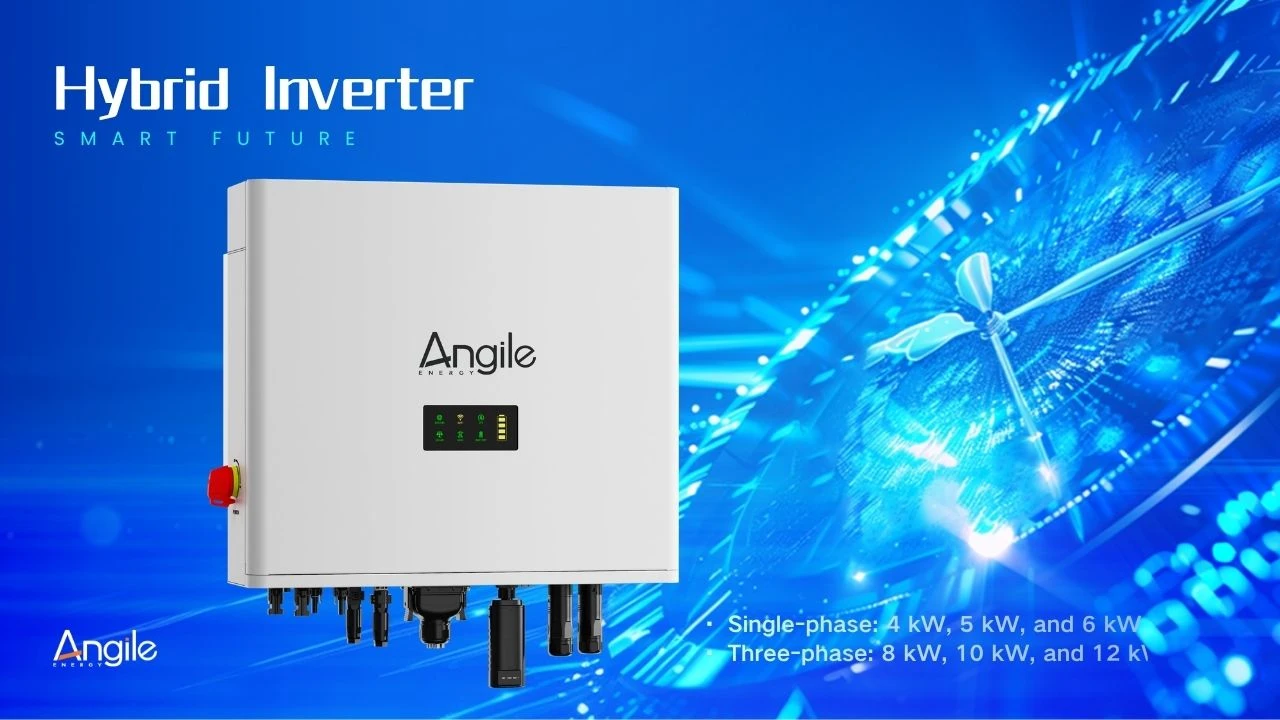
A complete energy storage system, such as Angile Energy’s hybrid inverter with battery solutions, integrates inverter and battery management to improve system control and monitoring. The Angile Energy hybrid inverter supports residential applications from 4 kW to 12 kW and includes remote firmware upgrades and smart monitoring functions.
It is normal for a power inverter to become warm during operation. The inverter processes electricity continuously, and some energy is released as heat.
A slightly warm surface does not always mean there is a problem.
However, if the side becomes extremely hot, the inverter reduces power output, or you notice warning messages, it may indicate overheating. Common reasons include poor ventilation, blocked air channels, dust, or direct sunlight exposure.
Poor Installation Location
Inverters should have enough space around them for airflow. Installing an inverter inside a closed cabinet or a small unventilated room can increase temperature.
Dust Blocking Cooling Areas
Over time, dust can collect around ventilation openings and reduce cooling efficiency.
High Summer Temperature
European summers are becoming warmer. During hot days, especially when solar production is high, the inverter may work harder and generate more heat.
Yes. Overloading is another common reason for inverter alarms.
This often happens when a home uses several high-power appliances at the same time, especially when running on battery backup.
Examples:
If the power demand exceeds the inverter’s output capacity, the system may warn the user or temporarily stop to protect itself.
For homes using more electricity equipment, choosing the correct inverter size is important.
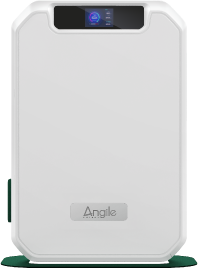
Angile Energy provides single-phase and three-phase hybrid inverter options:
Before contacting technical support, homeowners can check a few simple points:
Look for:
The beep itself does not explain the exact problem. The error information is more useful.
Make sure:
Some temporary communication or grid problems can disappear after a restart. However, do not repeatedly switch the system on and off if the inverter shows a serious fault.
If there is:
Turn off the system safely and contact a qualified installer.
Modern hybrid inverters provide better monitoring and protection compared with older systems.
Smart features can help homeowners:
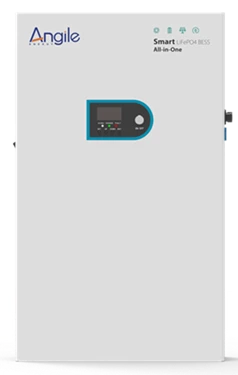
Angile Energy focuses on integrated residential energy storage solutions combining hybrid inverters, battery packs, and intelligent energy management. Its systems support scalable battery expansion and smart energy monitoring for households.
A power inverter beeping and the side getting hot can have several causes. Sometimes it is a normal operating condition, while other times it is a warning that needs attention.
For homeowners, the most common reasons are grid changes, low battery levels, overload, and insufficient cooling.
Regular maintenance, correct installation, and choosing a reliable hybrid inverter can help keep your solar and battery system running safely and efficiently for many years. Angile Energy works with local installation partners to provide professional installation support and technical service.