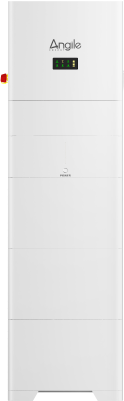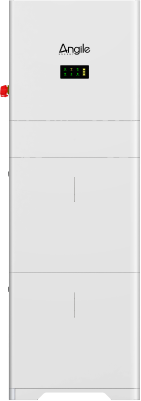

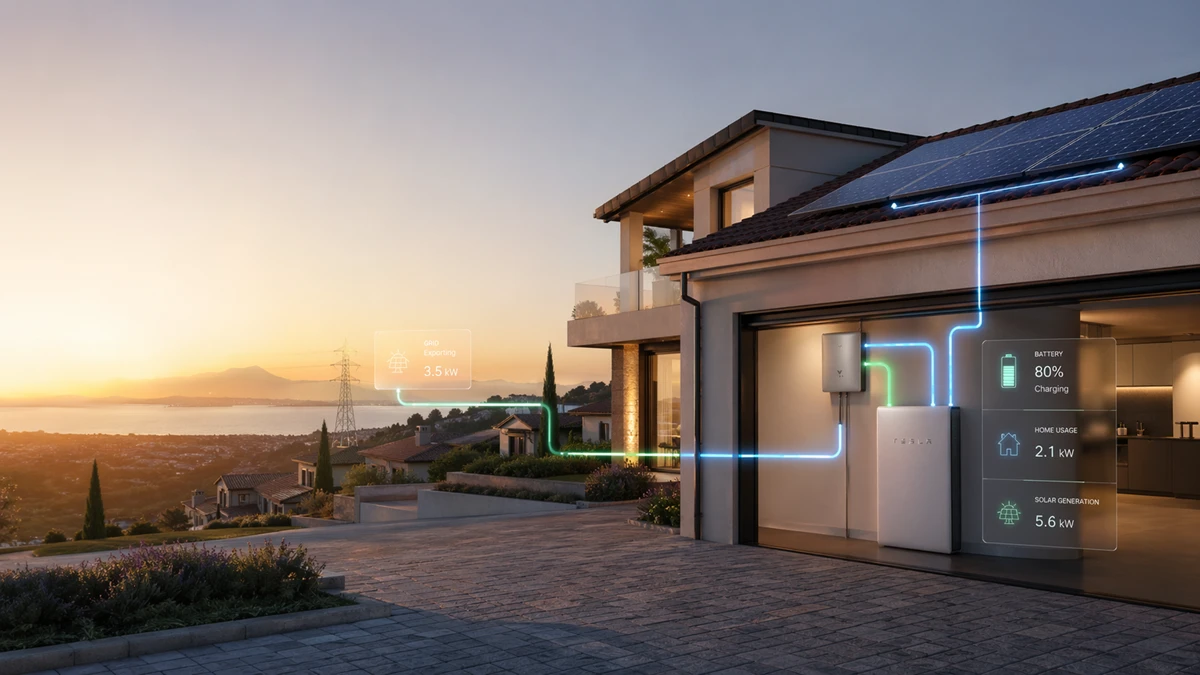
1 million units sold | market benchmark | sleek all-in-one design | side-by-side expansion
Tesla’s Powerwall 3 has solidified its position as the premier benchmark in the residential energy storage market. Its success is rooted in exceptional market recognition, evidenced by the fact that approximately 1 million units have already been sold globally. This widespread adoption has transformed it from a niche tech product into a gold standard for homeowners looking to integrate solar energy and backup power into their daily lives.
From a technical standpoint, the Powerwall 3 distinguishes itself through a compact, non-modular design. Unlike traditional systems that require separate components, this unit features an all-in-one integration of the battery and the inverter, creating a streamlined and efficient hardware profile. Beyond its sleek and stylish aesthetic, the system is engineered for scalability; it supports side-by-side expansion, allowing users to increase their storage capacity seamlessly while maintaining a clean, professional installation.
modular flexible stacking | native three-phase support | 0ms seamless EPS switchover | generator & V2X compatible | 5-layer safety system
SigenStor offers high flexibility through its 5kWh and 8kWh modules, which feature a stackable design that allows for vertical expansion without additional wiring. This streamlined approach minimizes the installation footprint while achieving a theoretical total capacity of up to 240kWh.
The system is engineered for true plug-and-play functionality, supporting the mixing of new and old modules as well as different capacities. This ensures that users can upgrade their storage as needed in the future, which also enhances the product's long-term value and potential in the second-hand market.
| Feature | Tesla Powerwall 3 | SigenStor |
| Design Philosophy | All-in-One / Integrated | Modular / Stackable |
| Capacity (per unit/stack) | Fixed 13.5 kWh | Flexible 5 kWh to 48 kWh |
| Max System Capacity | Up to 216 kWh (16 units) | Up to 270 kWh (per system) |
| Inverter Type | Fully integrated (11.5 kW) | Interchangeable controller (up to 25 kW) |
| Phase Support | Single-phase (standard) / 3P model for EU | Native 3-Phase (built-in support) |
| Backup Speed (EPS) | ~10-20 milliseconds | 0 milliseconds (UPS grade) |
| EV Integration | Via Tesla Wall Connector (AC) | Integrated 25kW DC Fast Charger |
| V2X Capability | Hardware ready (Software limited) | V2H & V2G Active (bidirectional) |
| Safety Architecture | Standard LFP thermal management | 5-Layer Protection (Fire/Aerogel/Sensors) |
| Installation Style | Wall or floor mounted | Floor-standing stack (No wiring between blocks) |
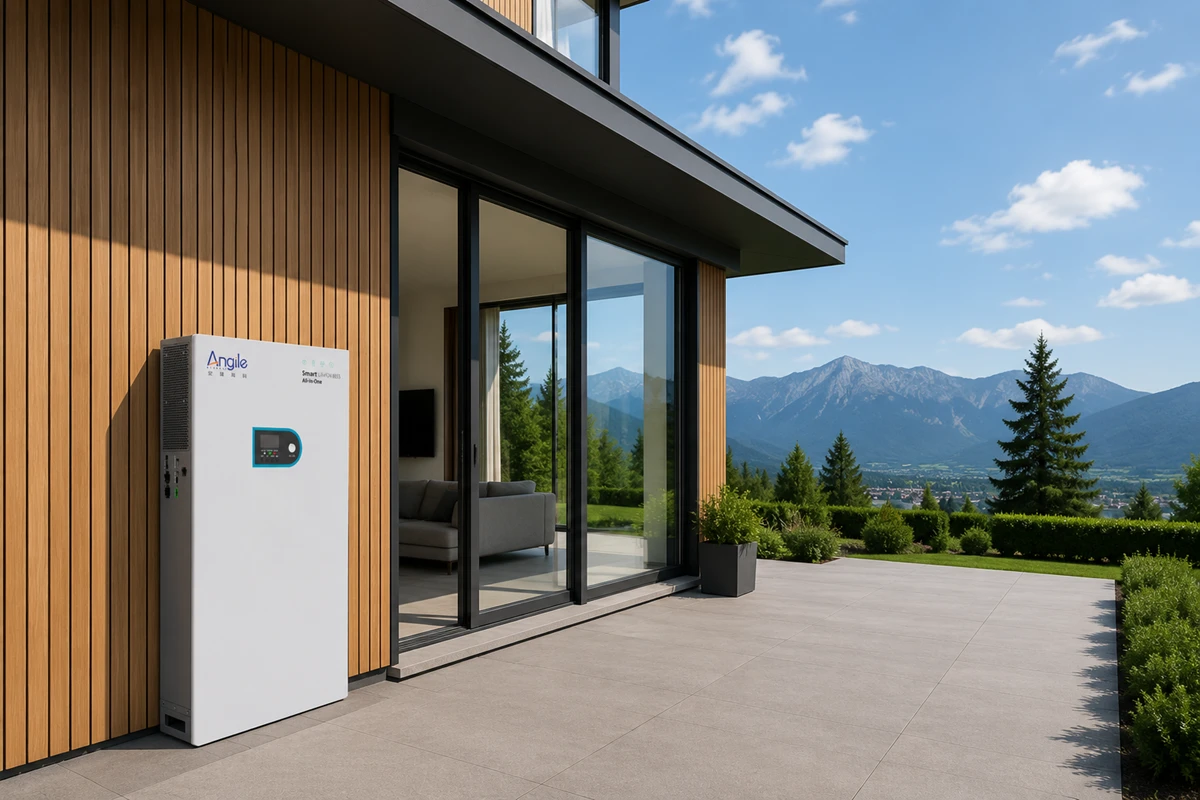
Both systems reflect different design philosophies: Powerwall 3 focuses on simplicity and brand-proven reliability, while SigenStor emphasizes flexibility and advanced functionality.
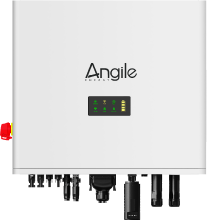
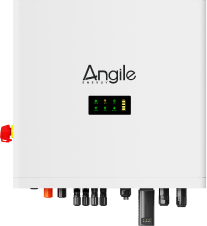
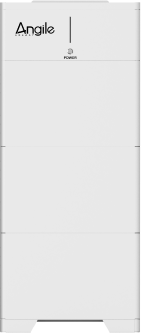
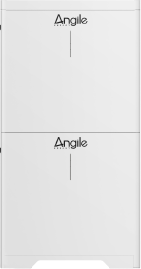
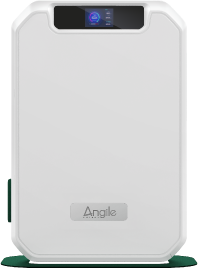
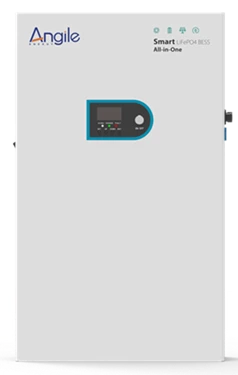
As the market evolves, newer integrated solutions from companies like Angile Energy are also combining modular design, hybrid inverters, and smart energy management into a single platform—showing how the next generation of home energy systems is moving toward greater flexibility and integration.