

Table of Contents (Click to expand)
Solar panels can help homeowners produce clean electricity and reduce their dependence on the grid. But there is one simple problem: solar power is not always produced when a home needs the most electricity.
Solar generation is usually highest around midday, while household demand often increases in the morning and evening. Without battery storage, some of the solar energy produced during the day may be exported to the grid instead of being used at home.
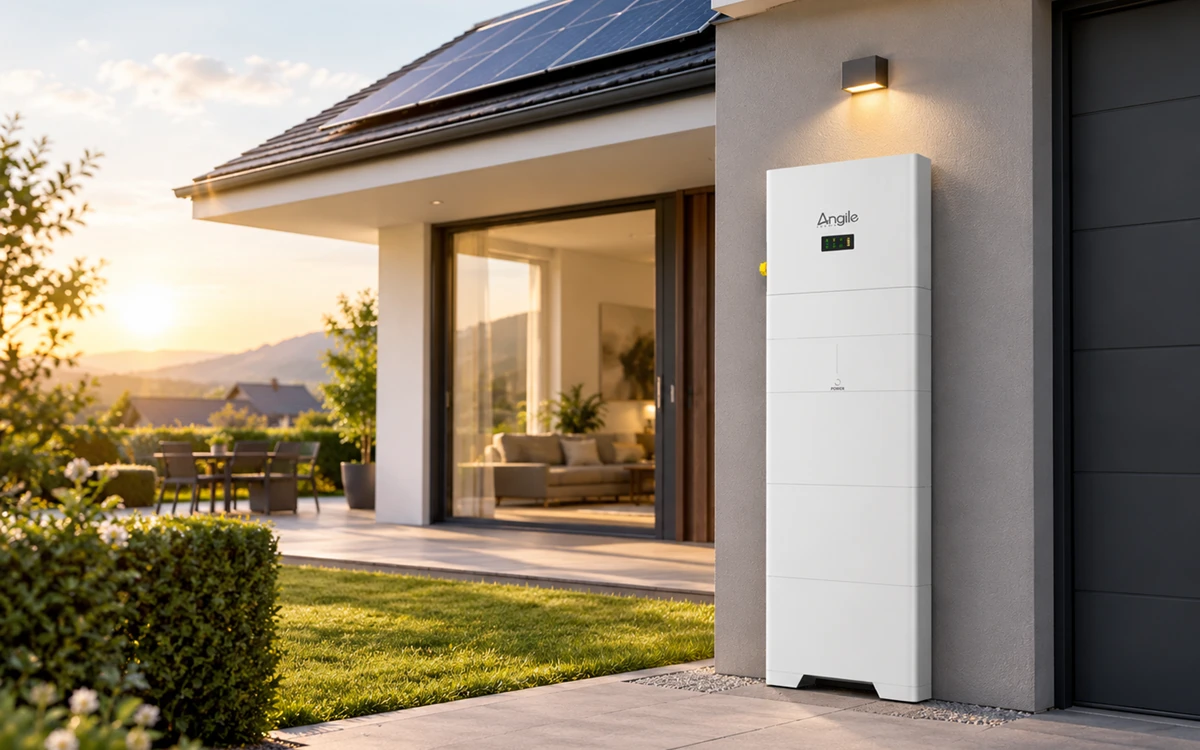
This is why solar energy storage benefits for homeowners in 2026 are becoming more important across Europe. A home battery can store excess solar power and make it available when the household needs it.
Why Solar Storage Matters for European Homes
European electricity markets are changing. Many households are dealing with different electricity prices throughout the day, growing electrification, and increasing use of heat pumps, electric vehicles, and other electrical appliances.
At the same time, solar PV continues to become a common choice for homeowners. The challenge is matching solar production with household consumption.
For example:
- Morning: The home may need electricity before solar production reaches its peak.
- Midday: Solar panels may produce more electricity than the household uses.
- Evening: Solar production falls while cooking, heating, lighting, and other appliances increase electricity demand.
A battery helps move that midday solar energy to the evening. Instead of immediately exporting excess electricity, homeowners can store it and use it later. This improves the practical value of their solar system and gives them more control over when they use electricity.
5 Solar Energy Storage Benefits for Homeowners in 2026
1. Use More of Your Own Solar Energy
One of the biggest benefits of battery storage is higher solar self-consumption.
Without storage, excess solar electricity is normally exported to the grid. With a battery, surplus electricity can charge the battery during the day and then power household loads after sunset.
This can be particularly useful for families whose main electricity consumption happens in the evening. The result is a simple change in how solar energy is used: generate it during the day, store it, and use it when you need it.
2. Reduce Exposure to High Electricity Prices
Battery storage can also help homeowners manage electricity costs.
Where time-of-use tariffs are available, electricity prices may be higher during certain periods. A smart battery can store solar energy and discharge it during more expensive periods.
This is not an automatic saving. The financial benefit depends on the local electricity tariff, solar production, battery size, system efficiency, and household consumption. However, the basic principle is clear: storage gives homeowners more flexibility over when they buy electricity from the grid.
3. Keep Essential Loads Running During a Power Outage
Solar panels alone do not necessarily provide backup power when the grid fails. A suitable battery system and hybrid inverter are needed to provide backup operation.
With the right configuration, a home battery can keep important loads operating during an outage, such as:
- Refrigerators and freezers
- Lighting
- Wi-Fi and communication equipment
- Security systems
- Selected heating or cooling equipment
- Essential household appliances
The actual backup time depends on battery capacity, inverter output, and how much electricity the home uses.
4. Prepare for a More Electrified Home
European homes are becoming more electric. Heat pumps, EV chargers, induction cooking, and other appliances can increase household electricity demand. A solar-plus-storage system can help homeowners manage these changing energy needs.
This is where a scalable battery system becomes useful. Instead of designing a system only for today's electricity consumption, homeowners can consider future requirements. A modular battery can provide a starting capacity and allow additional storage to be added when energy demand grows.
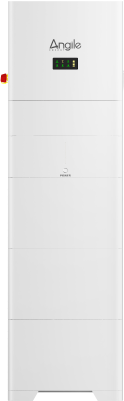
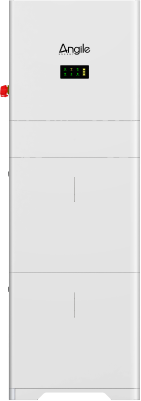
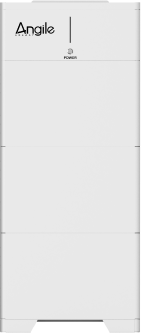
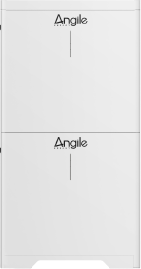
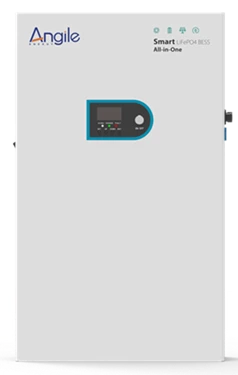
Angile Energy offers stackable high-voltage and low-voltage residential battery packs, allowing systems to be configured around different household requirements.
5. Gain More Control Over Home Energy
Perhaps the most important long-term benefit is control.
A modern solar energy storage system is more than a battery. It can combine a hybrid inverter, battery management system, energy monitoring, and smart energy management.
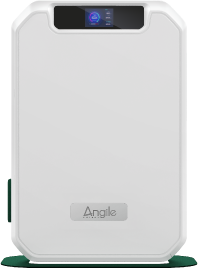
Angile Energy's residential solutions combine hybrid inverters, scalable battery packs, intelligent BMS, and real-time energy monitoring. The system can help homeowners understand where electricity is coming from, where it is being used, and when stored energy should be used.
Why 2026 Is an Important Year for Home Energy Storage
The energy transition is moving beyond simply installing solar panels. Homeowners are increasingly looking at the complete energy system: solar generation + battery storage + smart energy management.
Recent market developments also show the growing role of distributed solar and storage. Solar and battery systems can reduce reliance on the grid while giving households greater flexibility over when they generate, store, and consume electricity.
For European homeowners, the exact benefits will vary by country. Electricity tariffs, grid rules, solar export policies, installation requirements, and available incentives are different across markets. That is why a good storage system should be designed around the home's actual energy profile rather than simply choosing the largest battery available.
How to Choose a Home Solar Storage System
Before installing a battery, homeowners should consider their actual electricity patterns and long-term goals. Battery capacity is only one part of the system—inverter power, battery chemistry, installation environment, monitoring, certifications, and local grid requirements are equally critical.
Key questions to consider before choosing a system:
- How much electricity does the home use each day?
- When is electricity consumption highest?
- How much solar energy is currently exported?
- Does the electricity tariff have peak and off-peak periods?
- Which appliances need backup power?
- Will electricity demand increase because of an EV or heat pump?
- Can the battery system be expanded later?
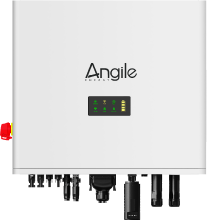
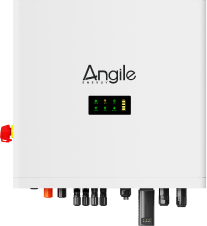
For European installations, Angile Energy provides residential hybrid inverters in single-phase and three-phase configurations, together with scalable high-voltage and low-voltage battery systems. Its hybrid inverter range includes 4–6 kW single-phase models and 8–12 kW three-phase models, with reverse power flow protection and a 5-year warranty.
Final Thoughts
The biggest solar energy storage benefits for homeowners in 2026 are not limited to lower electricity bills. A battery can help homeowners use more of their own solar energy, manage changing electricity prices, maintain essential power during outages, and prepare for higher electricity demand from EVs and heat pumps.
For many European households, the future of residential solar is no longer just about producing electricity. It is about producing, storing, managing, and using energy more intelligently.
A well-designed solar-plus-storage system can give homeowners more flexibility today while providing a scalable foundation for the energy needs of tomorrow.