
If you're installing a solar power system, it's a good idea to consider battery energy storage from the beginning. As you compare different solutions, you'll likely encounter terms such as AC-coupled, DC-coupled, and hybrid-coupled. These terms describe how the solar panels, battery, and inverter are connected.
A hybrid-coupled energy storage system offers a flexible solution that combines the benefits of both AC- and DC-coupled designs. It is especially useful for homeowners who already have solar panels but want to add battery storage or expand their solar system in the future.
This guide explains how a hybrid-coupled system works, its advantages, and when it may be the right choice for your home.
Before learning about hybrid-coupled systems, it helps to understand the two traditional ways of connecting solar panels and batteries.
A DC-coupled system connects both the solar panels and the battery to the same hybrid inverter. The electricity generated by the solar panels is stored in the battery before being converted into AC power for household appliances. Since there are fewer energy conversions, DC-coupled systems are highly efficient and are commonly chosen for new solar installations.
An AC-coupled system is often used when battery storage is added to an existing solar installation. The existing solar inverter remains in place, while the battery is connected through a separate battery inverter. This approach is easier to retrofit because it does not require replacing the original solar equipment, although electricity passes through additional conversion steps, resulting in slightly higher energy losses.
A hybrid-coupled system combines these two approaches. It allows homeowners to keep their existing solar system while also connecting new solar panels and battery storage through a hybrid inverter. This provides greater flexibility when upgrading an older installation.
| Coupling Method | Best For | Main Advantage |
| DC-Coupled | New solar installations | High efficiency with fewer power conversions |
| AC-Coupled | Existing solar systems | Easy battery retrofit without changing the original PV system |
| Hybrid-Coupled | Solar system upgrades and expansion | Combines existing equipment with new solar and battery storage |
A hybrid-coupled energy storage system combines both AC and DC connections within one solution.
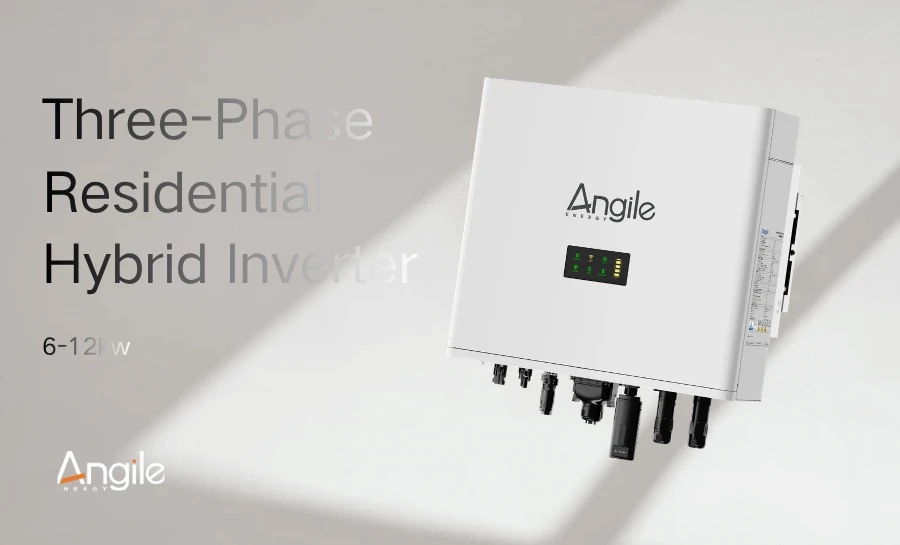
Instead of replacing an existing solar inverter, homeowners can continue using their original system while installing a hybrid inverter, battery storage, and even additional solar panels. The hybrid inverter manages the energy flow between the solar panels, battery, household loads, and the electricity grid.
This makes hybrid-coupled systems an attractive option for families whose electricity needs have increased over time. For example, adding an electric vehicle charger, heat pump, or new household appliances often increases energy consumption. Rather than replacing the entire solar installation, homeowners can expand their system while protecting their previous investment.
During the day, solar panels generate electricity for household appliances. If more electricity is produced than the home needs, the extra energy is stored in the battery for later use.
When solar production decreases in the evening or on cloudy days, the battery supplies electricity to the home, reducing the need to purchase power from the utility grid.
If additional solar panels are installed in the future, the hybrid inverter can manage both the original and the new solar generation more efficiently. Some systems also provide backup power during grid outages, allowing essential household appliances to continue operating when the utility supply is interrupted.
This flexible energy management helps homeowners increase solar self-consumption while reducing electricity costs.
One of the biggest advantages of a hybrid-coupled system is flexibility. Homeowners do not have to replace a working solar installation simply to add battery storage.
Other key benefits include:
For many households, this approach offers a practical balance between performance, cost, and future scalability.
A hybrid-coupled system may be a good choice if you:
For homeowners building a brand-new solar system, a DC-coupled solution may still provide the highest overall efficiency. However, for system upgrades and future expansion, hybrid-coupled systems offer greater flexibility.
The performance of any hybrid-coupled system depends largely on the quality of its hybrid inverter and battery.
A modern hybrid inverter should support intelligent energy management, fast charging and discharging, reliable battery communication, and compatibility with different battery capacities. Likewise, a battery system should be safe, scalable, and designed for long-term operation.
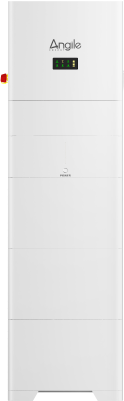
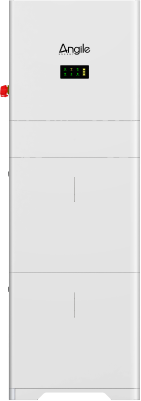
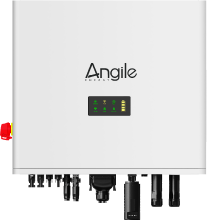
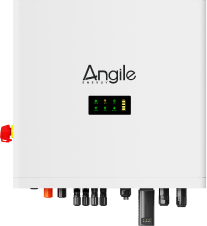
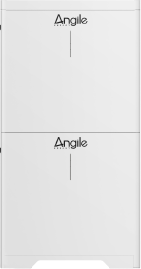
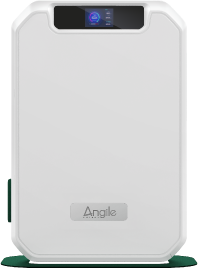
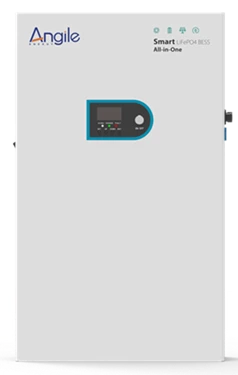
Angile Energy provides residential energy storage solutions designed to support both new installations and system upgrades. Its product portfolio includes single-phase and three-phase hybrid inverters, stackable high-voltage and low-voltage residential battery packs, and all-in-one residential energy storage systems. These solutions integrate PCS, BMS, and EMS technologies with intelligent energy management to help homeowners improve solar self-consumption while simplifying installation and future expansion. Angile also offers local European warehouse support, multiple grid certifications, and a 10-year warranty for its residential energy storage solutions.
Yes. A hybrid-coupled system is designed for this purpose. It allows homeowners to add battery storage while continuing to use their existing solar installation.
Yes. One advantage of a hybrid-coupled system is that it can support future solar expansion without requiring a complete system replacement.
The answer depends on the installation. DC-coupled systems generally achieve the highest efficiency because they involve fewer power conversions. Hybrid-coupled systems, however, provide greater flexibility for upgrading existing solar systems while maintaining good overall performance.
If you plan to install battery storage and want advanced energy management or future system expansion, a hybrid inverter is usually the preferred choice.
A hybrid-coupled energy storage system bridges the gap between new and existing solar installations. It allows homeowners to keep their current solar equipment while adding battery storage, increasing solar capacity, and improving energy independence.
As household electricity demand continues to grow, flexible energy storage solutions are becoming increasingly important. By choosing a reliable hybrid inverter and scalable battery system, homeowners can maximize the value of their solar investment today while preparing for future energy needs.