
As more European homeowners adopt solar energy, battery storage is becoming an important part of residential power systems. Home battery storage allows homeowners to store excess solar energy, use electricity more efficiently, and maintain power during grid outages.
When planning a residential energy storage system, one key decision is choosing between AC-coupled and DC-coupled battery storage.
Both solutions help improve energy independence, but they work differently and suit different installation scenarios. Understanding these differences helps homeowners choose the most efficient and cost-effective option.
This guide explains AC-coupled vs DC-coupled battery storage, their advantages and disadvantages, and how to choose the right solution for your home.
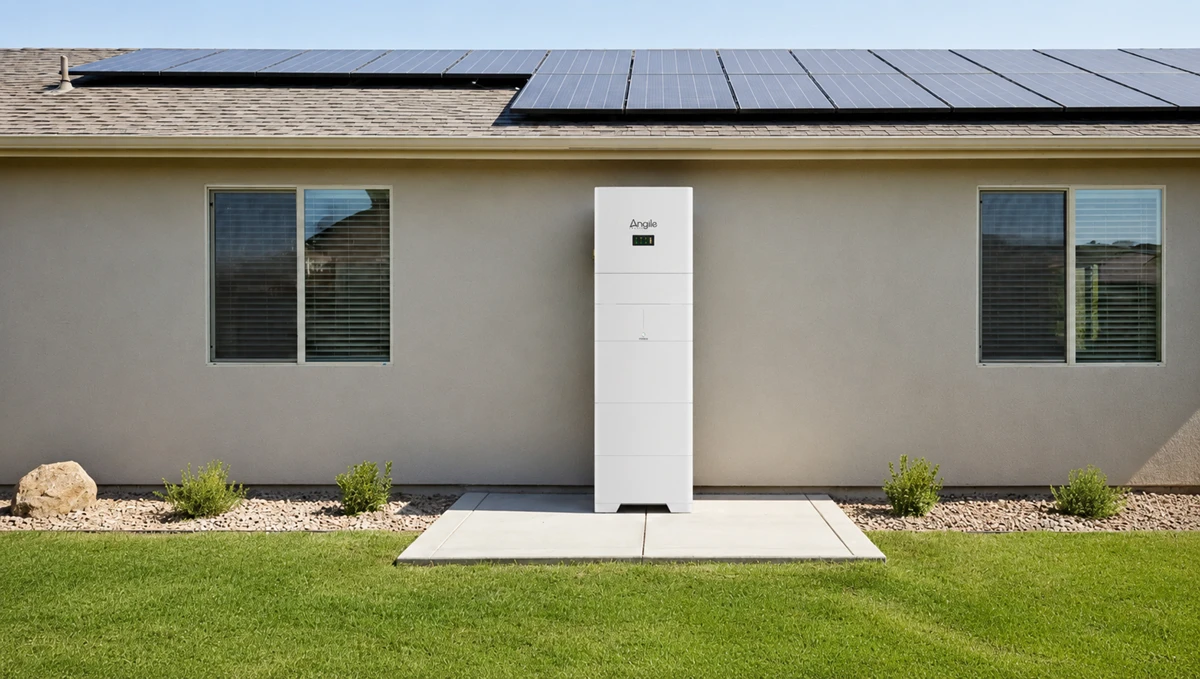
AC-coupled battery storage connects to the home’s alternating current (AC) electrical system.
In this setup, solar panels generate direct current (DC) electricity. The solar inverter converts it into AC electricity for home use. If excess electricity needs to be stored in the battery, it is converted back into DC for charging. When the battery discharges, the stored electricity is converted again into AC for household appliances.
This means electricity goes through multiple conversion steps.
AC-coupled systems are commonly used when adding battery storage to an existing solar system.
DC-coupled battery storage connects directly on the direct current (DC) side of the solar system.
In this setup, solar panels generate DC electricity, which can flow directly into the battery without first being converted into AC. A hybrid inverter then converts stored power into AC when needed for household use.
Because fewer conversions are required, DC-coupled systems are generally more efficient.
They are often the preferred option for new solar installations.
| Feature | AC-Coupled | DC-Coupled |
| Best for | Existing solar systems | New solar installations |
| Energy efficiency | Moderate | High |
| Installation complexity | Lower for retrofit | Better for planned installation |
| Conversion losses | Higher | Lower |
| Initial setup flexibility | High | Moderate |
| Long-term performance | Good | Excellent |
The main difference comes down to efficiency versus flexibility.
AC-coupled systems offer easier upgrades for existing systems, while DC-coupled systems provide better long-term performance.
If your home already has a solar panel system with a working solar inverter, AC-coupled battery storage is often the simpler choice.
It allows homeowners to add battery storage without replacing their current inverter.
This reduces installation time and lowers upgrade complexity.
For many retrofit projects across Europe, AC-coupled storage offers a practical path to energy independence.
For new residential solar projects, DC-coupled systems usually offer better value.
Because the system is designed from the beginning as one integrated solution, homeowners benefit from:
This makes DC-coupled systems especially attractive in European markets where electricity prices remain high.
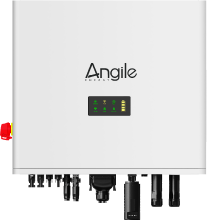
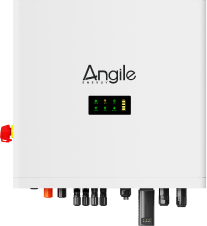
Modern hybrid inverters combine solar conversion and battery management into one intelligent unit.
This creates a more efficient and simplified residential energy system.
Hybrid inverter systems offer:
Integrated hybrid systems are becoming the preferred residential energy storage solution for European homeowners seeking long-term reliability.
Choosing between AC-coupled and DC-coupled battery storage depends on several factors. If you want the highest efficiency and a brand-new or fully upgraded system, DC-coupled storage is your best choice. Here is how to decide based on your needs:
If you have an existing system: Adding an AC battery can sometimes be simpler for an older setup.
If you are upgrading or starting fresh: A DC-coupled system is the ideal path. It uses a single Hybrid Inverter to manage both your solar panels and your batteries together, saving space and eliminating extra equipment.
DC-Coupled Advantage: Every time electricity converts between DC (solar/battery power) and AC (home power), energy is lost as heat. DC systems keep the power as DC from the panels straight into the battery, making them highly efficient and ensuring you get the most out of every ray of sunshine.
If your family uses a lot of electricity in the evening, you rely heavily on stored power. Because DC-coupled systems are more efficient at storing solar energy during the day, you will have more power ready to use when the sun goes down.
A DC-coupled system provides much stronger long-term savings because it wastes less electricity over time, maximizing your return on investment.
If you plan to add EV charging, expand your battery capacity, or use a smart HEMS later, starting with a comprehensive DC-coupled solution ensures your home is fully prepared for a zero-carbon future.
Across Europe, homeowners are increasingly investing in battery storage because of:
Battery storage helps households reduce reliance on the grid and maximize the value of solar power.
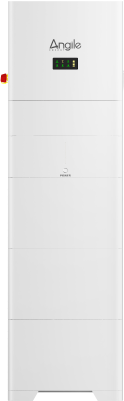
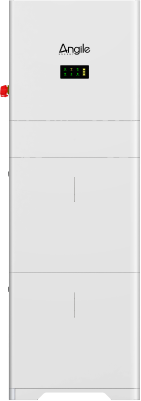
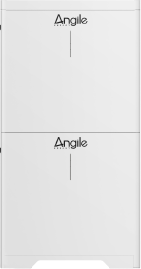
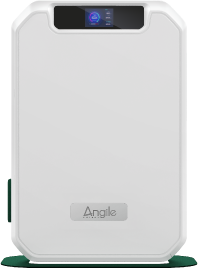
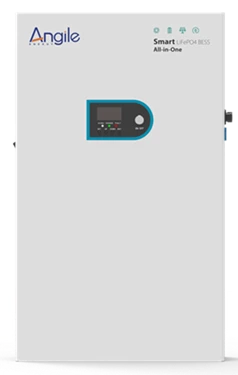
At Angile Energy, we provide advanced residential energy storage solutions designed for modern European homes.
Our integrated solutions combine:
Our DC-coupled hybrid systems are designed to maximize efficiency, simplify installation, and deliver reliable long-term energy performance.
Whether you are upgrading an existing solar setup or planning a new installation, choosing the right battery architecture is essential for maximizing your solar investment.
Is DC-coupled battery storage more efficient?
Yes. DC-coupled systems usually achieve higher efficiency because they reduce unnecessary energy conversions.
Can I add battery storage to my existing solar system?
Yes. AC-coupled battery systems are commonly used for existing solar retrofits.
Are hybrid inverters better for home battery storage?
Hybrid inverters offer better integration, simplified system design, and improved energy management.
Which system is better for European homeowners?
For new installations, DC-coupled systems are often the best choice. For existing solar systems, AC-coupled retrofits may be more practical.
There is no single best answer when choosing between AC-coupled and DC-coupled battery storage.
The right solution depends on your existing solar setup, energy goals, and long-term plans.
For many new residential solar installations in Europe, DC-coupled hybrid systems offer the highest efficiency and best long-term value.
With advanced hybrid inverter technology and integrated residential energy storage solutions, Angile Energy helps homeowners build smarter, more efficient solar power systems for the future.