
Electricity prices are no longer the same all day. As renewable energy supplies a growing share of Europe's electricity, price differences between peak and off-peak hours have become more noticeable, with wholesale prices sometimes varying by more than €100/MWh within a single day. For example, in France's balancing market, prices ranged from -€13/MWh overnight to €183.5/MWh in the evening on a single day—a spread of nearly €200/MWh.
That means using electricity at the right time can significantly reduce your bill. But exactly when is off-peak electricity, and how can homeowners make the most of it? Let's check the details.
Off-peak electricity refers to the periods when demand on the electricity grid is lower. During these hours, many energy suppliers charge a lower price per kilowatt-hour (kWh) to encourage consumers to shift their electricity usage away from busy periods.
Many European countries now offer:
These pricing models reward customers who can use electricity when demand is lower.
There is no single off-peak schedule across Europe. Your off-peak hours depend on:
| Time Period | Typical Pricing |
|---|---|
| 11:00 PM – 7:00 AM | Lowest prices |
| Weekends | Often cheaper |
| Public holidays | Sometimes off-peak |
| Midday (high solar generation in some countries) | Increasingly discounted |
Many utilities traditionally offer overnight off-peak hours because electricity demand falls after most people go to bed. As solar generation increases, some European grids are also introducing cheaper midday electricity when solar production is high.
Although every supplier is different, these examples show common schedules:
| Country | Typical Off-Peak Hours |
|---|---|
| UK | Midnight – 7:00 AM (Economy 7) |
| Netherlands | Usually 11:00 PM – 7:00 AM plus weekends |
| Germany | Depends on utility and smart tariff |
| Italy | Nights, weekends, and public holidays (depending on tariff) |
| France | Supplier-specific; many customers receive 8 discounted hours each day |
*Always check your supplier because your exact hours may differ.
| Peak Hours | Off-Peak Hours |
|---|---|
| Higher demand | Lower demand |
| Higher electricity prices | Lower electricity prices |
| Morning and evening | Mostly overnight |
| Heavy grid usage | More available generation |
During peak hours, households often cook, heat homes, charge devices, and watch television at the same time. Electricity demand rises, making power more expensive.
At night:
Lower demand means electricity is often cheaper to supply, allowing energy companies to offer discounted prices during these periods.
Savings depend on:
Homes that regularly move high-energy activities to off-peak hours may noticeably reduce annual electricity costs, especially if they charge an EV, heat water overnight, or store cheaper electricity in a home battery.
The biggest savings usually come from appliances that consume the most electricity. These include:
Many modern appliances include delay timers, making it easy to run them overnight.
Solar changes the picture. Instead of relying only on cheaper nighttime electricity, you can:
This lowers electricity bills while increasing energy independence.
A battery lets you store inexpensive electricity instead of using it immediately. For example:
If you have solar panels, the battery can also store excess daytime generation before drawing from the grid. This strategy is becoming increasingly valuable as more European utilities introduce time-based and dynamic electricity pricing.
A battery cannot manage charging and discharging on its own. A hybrid inverter acts as the control center of a modern home energy system by:
An intelligent hybrid inverter can automatically prioritize the lowest-cost energy source, helping homeowners reduce electricity costs without manual intervention. For households planning to add battery storage in the future, installing a hybrid inverter today can simplify future upgrades.
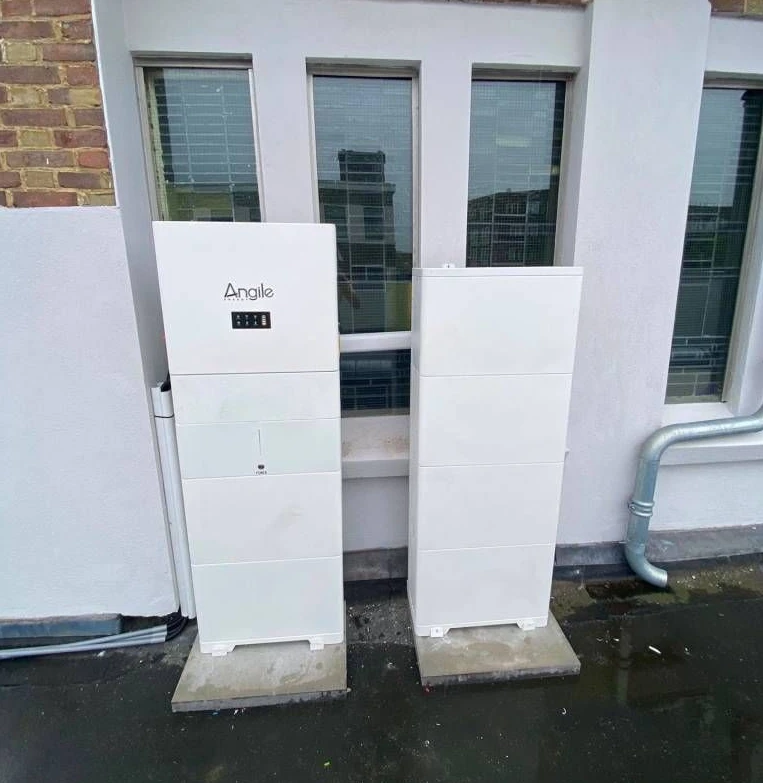
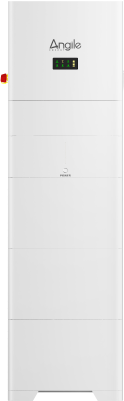
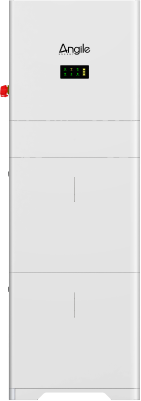
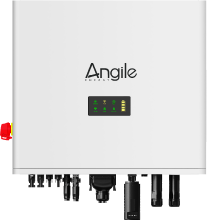
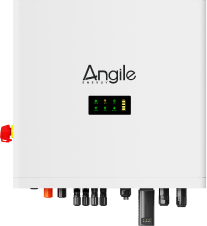
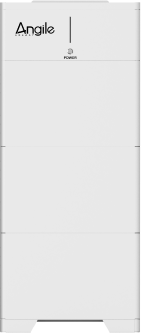
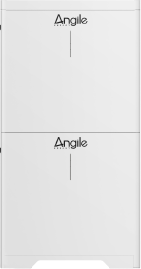
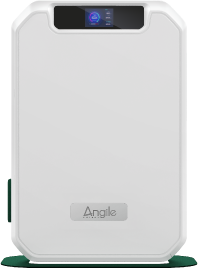
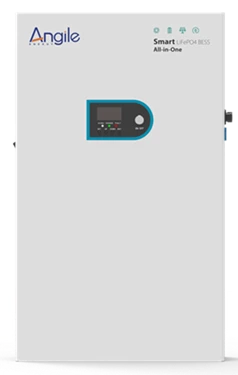
As electricity pricing becomes more flexible across Europe, homeowners need energy systems that can respond automatically. Angile Energy provides residential energy storage solutions designed to work together, including:
The hybrid inverter supports features such as remote firmware upgrades, reverse power flow protection, up to 150% PV oversizing, and a 5-year warranty, making it suitable for homeowners looking to maximize self-consumption and prepare for changing electricity tariffs.
Is off-peak electricity always at night?
Usually, yes. Most suppliers offer overnight off-peak hours, but some also include cheaper midday periods or weekends depending on the tariff.
Do all European countries have off-peak tariffs?
Many do, but the structure varies. Some use fixed off-peak schedules, while others offer dynamic pricing that changes daily.
Do I need a smart meter?
Many modern Time-of-Use and dynamic tariffs require a smart meter so electricity usage can be recorded at different times of the day.
Is a battery worth it without solar?
It can be. If your electricity tariff offers a significant difference between off-peak and peak prices, charging a battery during cheaper hours and using that stored energy later may reduce your electricity costs.
Off-peak electricity gives homeowners a simple way to reduce energy costs by shifting consumption to times when electricity is cheaper. As Europe continues to expand smart meters, renewable energy, and dynamic pricing, understanding your tariff is becoming just as important as reducing energy use.
For even greater savings, combining solar panels, battery storage, and a hybrid inverter allows you to use more of your own energy, purchase less electricity during expensive peak periods, and prepare for the future of smart energy management.