
When installing a home energy storage system, many homeowners do not want to buy the largest system on day one. Energy needs can change over time. You may install more solar panels, buy an electric vehicle, add a heat pump, or simply find that your existing battery system is no longer large enough.
This leads to an important question: Can I expand my system later by adding another inverter?
The short answer is: sometimes, but it depends on the system design. Adding another inverter is not as simple as plugging in a second unit. The inverter, battery, communication system, solar array, and grid connection all need to work together.
An inverter is an important part of a home energy storage system. It converts DC electricity from solar panels or batteries into AC electricity that household appliances can use. Hybrid inverter can also convert AC electricity from the grid into DC electricity to charge the battery.
As your energy needs increase, your existing inverter may become a limitation.
For example, a homeowner may start with a 5 kW hybrid inverter and a relatively small battery. A few years later, they may have added more solar panels, an EV charger, a heat pump, or other high-power appliances.
The battery may have enough capacity, but the inverter may not have enough power to handle the higher load.
In this situation, increasing battery capacity alone may not solve the problem. You may need a larger inverter or an approved multi-inverter configuration.
Not always.
Two inverters cannot simply be connected together because they need to coordinate their operation. They may need to communicate with each other and with the battery management system.
The system also needs to manage important functions such as:
If the inverters are not designed to operate together, the system may not work correctly.
For this reason, homeowners should check the manufacturer's approved expansion method before buying another inverter.
This is one of the first questions to ask.
Some hybrid inverters are designed to operate in parallel. Others are designed to work as standalone units.
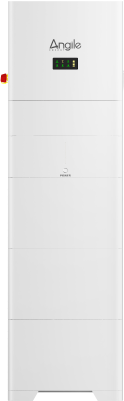
For example, Angile Energy's ePowerCUBE storage system supports a configuration with multiple PCS units in parallel. Its specifications state that the system can support up to 6 PCS units in parallel, with each PCS and BCU controlling up to six battery packs.
This type of design provides a path for larger systems, but the exact expansion configuration should still be confirmed with the manufacturer or installer.
Adding another inverter also means checking the battery system.
The inverter needs to communicate correctly with the battery's BMS, or Battery Management System. The BMS monitors battery conditions and helps control safe charging and discharging.
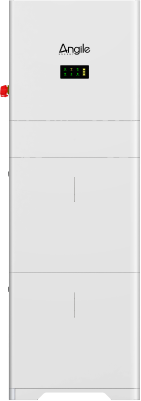
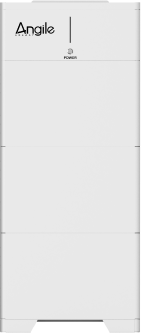
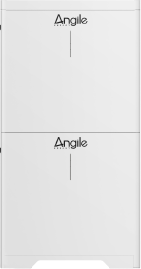
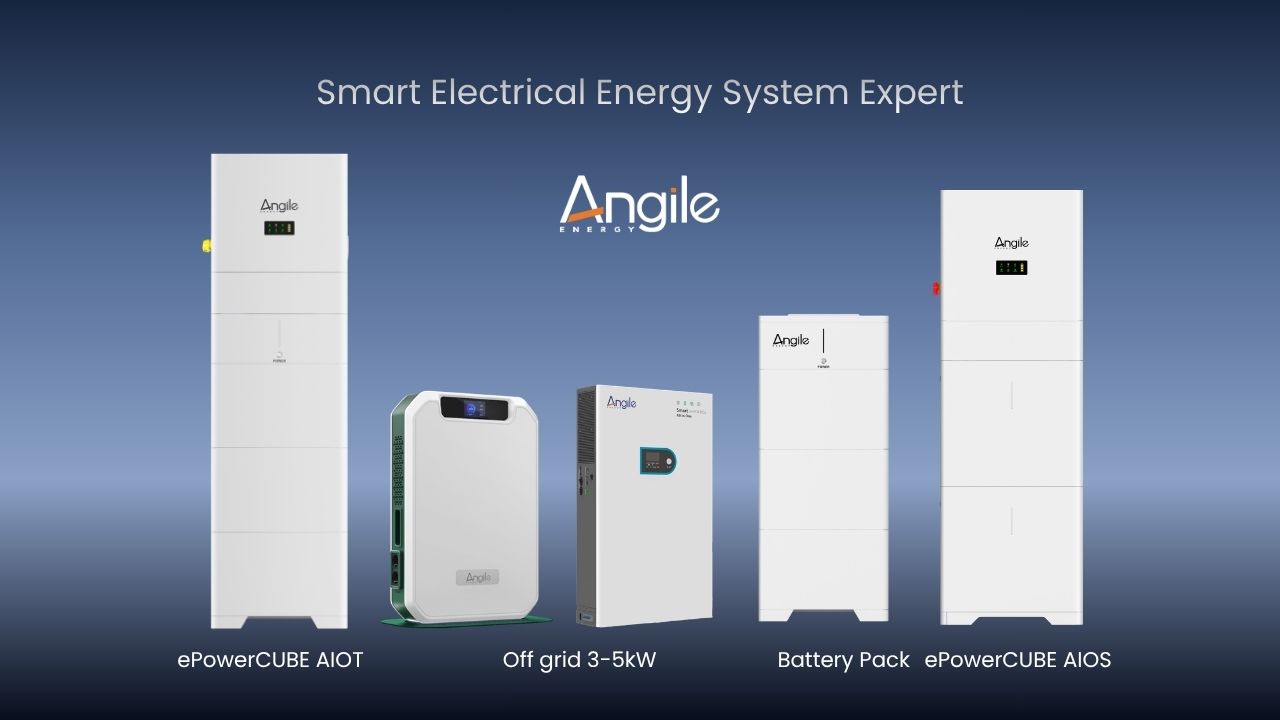
Angile Energy uses an integrated approach that combines PCS, EMS, and BMS technologies. Its residential products include stackable high-voltage and low-voltage battery packs.
This is important because not every battery can be paired with every inverter.
If you are expanding an existing installation, check the battery model, voltage range, communication protocol, maximum current, and supported inverter configuration.
A larger inverter does not automatically mean you should add more solar panels.
Your solar array also needs to be considered.
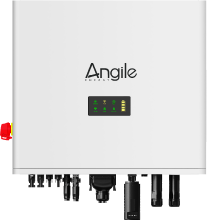
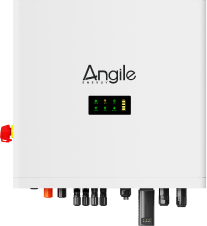
Angile Energy's hybrid inverter range includes single-phase models from 4 kW to 6 kW and three-phase models from 8 kW to 12 kW. The inverter supports up to 150% PV panel oversizing according to the product information.
If you are planning a system expansion, your installer should calculate whether your existing solar array can support the new inverter configuration or whether additional PV capacity is needed.
These two upgrades solve different problems.
Adding batteries increases energy capacity. It allows you to store more electricity and use it later.
Adding inverter capacity increases power capability. It can allow the system to handle a larger instantaneous load or a larger overall system configuration.
For example, imagine your home needs more electricity in the evening. If your current battery runs out too quickly, adding battery modules may be the better solution.
But if your home has several high-power appliances operating at the same time and the inverter is reaching its power limit, simply adding more battery capacity may not help. You may need more inverter capacity.
Understanding this difference can prevent homeowners from spending money on the wrong upgrade.
In many cases, yes, if expansion was considered when the original system was designed.
A modular energy storage system can make future expansion easier. Instead of replacing the entire system, homeowners may be able to increase battery capacity or use an approved parallel configuration.
This is one reason modular systems are attractive for growing households.
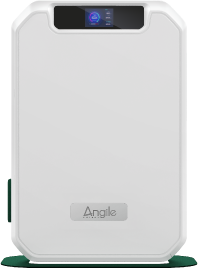
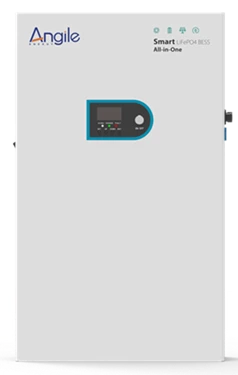
Angile Energy offers stackable battery systems and all-in-one residential energy storage solutions designed around scalable configurations. The company also provides single-phase and three-phase hybrid inverter options.
However, expansion should be planned rather than improvised. The installer should confirm that the existing equipment and the new equipment are compatible.
This is where homeowners should be especially careful.
Adding an inverter from another manufacturer may create communication, control, warranty, and grid-compliance issues.
Even when two products use similar electrical specifications, that does not mean they are designed to operate as one system.
For a reliable expansion, it is generally better to use equipment that the manufacturer has specifically approved for the intended configuration.
Angile Energy provides its own hybrid inverter range, battery products, and integrated energy management technologies. Its products are also designed for European grid and safety requirements, with certifications including TÜV, CE, VDE, and other regional standards.
If you think your energy needs may increase, tell your installer before the first installation.
Ask these questions:
Getting these answers early can make future expansion much easier.
Yes, a home energy storage system can sometimes be expanded by adding another inverter, but it must be an approved and properly designed configuration.
The key is not simply the number of inverters. The whole system needs to work together, including the battery, BMS, solar panels, EMS, electrical protection, and grid connection.
For homeowners planning to increase their energy use in the future, a modular and scalable system can provide more flexibility than a fixed-size installation.
The best approach is to plan for future energy needs from the beginning. If you may add an EV, heat pump, more solar panels, or additional battery storage later, discuss those plans with your installer before choosing your first inverter and battery system.
That way, your energy storage system can grow with your home instead of forcing you to start again.